How to Register a Trademark Online in India (Step-by-Step)
Steps to register a trademark online in India: class, e-filing, objections, and renewal.

Understanding trademarks in India
You can register a trademark online in India by picking your mark, then filing a form online. Next, you wait for exam notes and respond on time. This path works best when you plan the right class of goods and services first.
In India, trademarks protect signs that show who makes or sells a product or service. These rules sit in the Trade Marks Act, 1999. Once a mark is registered, the owner gets strong rights across India.
A trademark can be a logo, a set of words, or a mix of both. It can also be a phrase used to sell your goods. The goal is to help buyers spot your source fast.
- Mark types: word marks, device marks, and combo marks
- Coverage: protection for set goods or services
- Result: trademark protection once registered

Why trademark registration is important
Trademark registration helps stop others from using a too-similar brand. This matters when a rival can confuse buyers. It also supports your claim in a legal fight.
Registration also helps your business grow with less risk. You can use your mark in deals, sales, and licensing. Investors often look for a clear proof of brand rights.
Unregistered use can still matter, but it is harder to enforce. A registered trademark gives a cleaner legal record. It links the owner to the mark and the exact goods or services.
If you plan the filing well, you reduce delays too. Most delays come from weak mark details or the wrong class. A focused start saves months.
| Why register | What you can do |
|---|---|
| Stop misuse | Challenge brands that copy your mark |
| Build trust | Use a clear ownership record |
| Support deals | License or partner with more confidence |

Step-by-step trademark registration process
The trademark registration process in india starts before you file online. You must pick a mark that can work and check if others already use it. Then you file the trademark application online and track each step.
Think of it as a chain of stages, not one form. Each stage has its own deadlines. Missing one can slow your case or harm your position.
When your mark faces no objections and no opposition, timing is often 12 to 18 months. If someone opposes, your timeline can stretch.
- Choose your mark and owner data. Set the applicant name and address in the right format.
- Do a trademark search. Look for close marks that could block your application.
- Select the right class. Match your goods or services to the right class of goods and services.
- Prepare your trademark application. Add the mark view and your goods or service list.
- File online. Follow the e-filing procedure on the registry portal and pay the fee.
- Handle exam notes. Reply to examining trademark applications issues within the time limit.
- Watch for publication. After publication, third parties may file a trademark opposition.
- Complete registration. If no valid roadblock remains, you get the registration file and certificate.
Short, clear replies work best. Use plain points tied to each exam note. Also, keep proof organised so you can submit it fast.
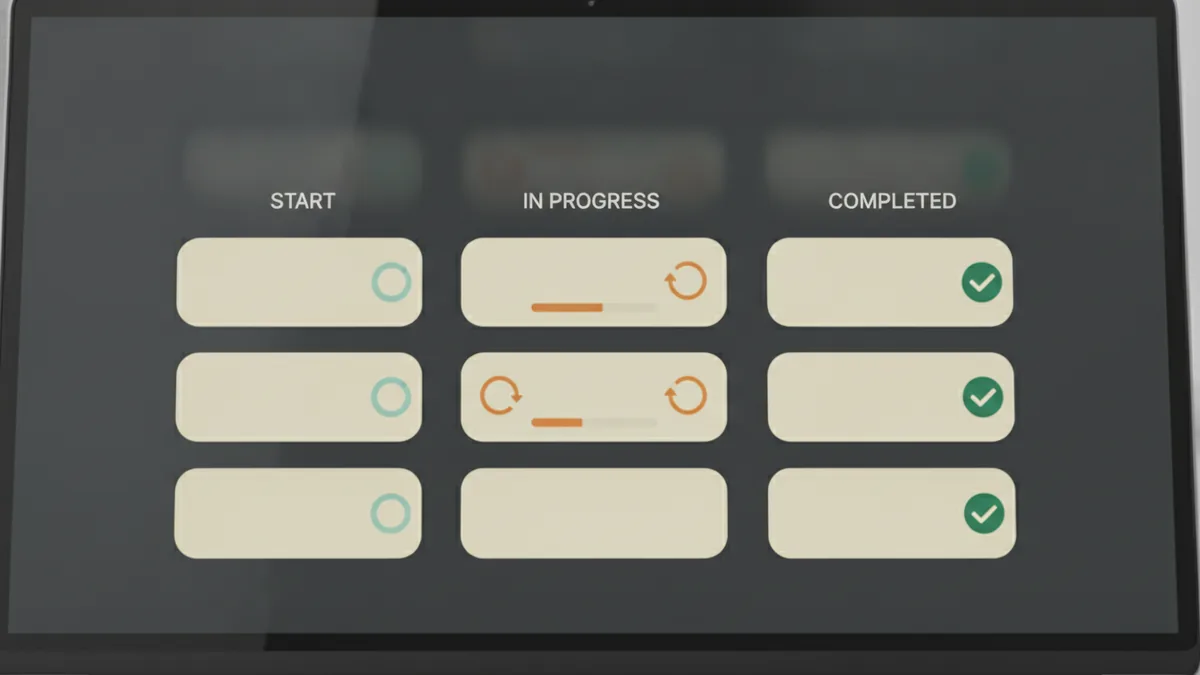
Choosing the right class for your trademark
The class choice is crucial in India because your rights are tied to it. India uses 45 classes in the Nice class set. Your filing must match what you sell.
If you pick the wrong class, you may lack full protection. For example, one class may cover goods, while another covers services. Buyers and courts focus on that class match.
Use your real business plan to guide the class pick. List what you sell now and what you may sell soon. Then choose the closest goods or service terms.
- Start with today’s sales. File for what you already offer to customers.
- Add near-term growth. Cover related items you plan to launch.
- Keep terms clear. Do not guess wildly at descriptions.
If you feel unsure, get help from a trademark attorney services option. A wrong class can force you to file again later. That costs more time and money.
Filing your trademark application online
Once your mark and class are set, you file through the online portal. This is the main answer to “how to register trademark online in india”. You submit your form, then pay the government fee.
Government fees can change. Still, common figures are ₹4,500 for individuals, startups, and MSMEs. Common figures are ₹9,000 for companies. Always check the latest fee list inside the filing system.
During e-filing, you upload the mark view and enter the goods or services list. You also enter the applicant details. After that, you submit and save proof of payment.
Keep a simple folder for the filing. Store the filed form copy and payment receipts. This helps if you need to answer later steps quickly.
- Applicant name, address, and type
- Mark view in the needed format
- Goods or service list for the chosen class
- Any rep details, if you file via a helper
- Proof of the government fee payment
Responding to objections and oppositions
After you file, examiners review your trademark application. They may object for many reasons. The reason could be close similarity, weak distinctiveness, or wrong details.
Here you must respond fast and clearly. Use one response that matches each exam point. Also, keep within the given deadline.
If your mark clears exam, it can be published. After publication, a trademark opposition can be filed by others. The rival then states why your mark should not register.
Opposition can need evidence. You may use usage evidence for trademarks, like sales, ads, and invoices. Organise this proof early so it is ready when you need it.
| Stage | What may happen | What to do |
|---|---|---|
| Exam | Objections from the examiner | Answer each point with facts |
| Opposition | A rival files a case | Submit evidence and arguments |
When you argue, focus on real differences. Point out how the marks look and how buyers see them. Also, explain how the goods or services differ.
Post-registration maintenance and renewal
Registration still needs upkeep. You must plan for renewal of trademark registration to keep rights active. If you miss renewal, your trademark protection can fade or end.
Renewal is a filing step with dates you must track. Set reminders well before the due date. This avoids panic and last-minute filing errors.
Also, keep using your mark in the market. Clear use supports your brand position in talks and disputes. It also helps if others later question your rights.
If your business grows, review your class list. New products may need new filings. This keeps your trademark protection aligned with how you trade today.
Quick guidance before you start
Start with a trademark search and confirm your class pick. Next, prepare your mark view and goods list. Then file online and answer exam notes quickly.
Most delays are avoidable. Wrong class and slow answers cause most problems. A careful start reduces both.
Related help options
If your mark is close to an older brand, consider help from a trademark attorney services option. They can assess risk and help draft replies. They can also help you build a stronger evidence file.
You can do the steps yourself. Still, expert help can reduce mistakes at key points.
Frequently asked questions
- How to register trademark online in India?
- Choose your mark and class, then run a trademark search. File the trademark application online, pay the fee, and track exam notes. Respond fast, and handle trademark opposition if it is filed.
- What fees apply for trademark registration in India?
- Government fees depend on the applicant type. Common figures are ₹4,500 for individuals/startups/MSMEs and ₹9,000 for companies. Confirm the latest fees in the portal before you pay.
- How long does trademark registration take in India?
- If there are no objections or opposition, it often takes 12 to 18 months. If opposition is filed, the case can take longer.
- How many classes are there for trademark registration?
- There are 45 classes in the Nice class set used in India. Your rights apply to the classes you list in your filing.
- What happens after I file my trademark application online?
- The registry examines it and issues objections if needed. If you clear exam, the mark is published and others may oppose. If no opposition succeeds, you get registration.
- Do I need renewal after my trademark is registered?
- Yes. You must renew trademark registration to keep rights active. Put renewal dates in your calendar to avoid losing protection.
Related reading

Trademark Searches: Steps and Common Mistakes
Search federal records, real-world use, and close matches before you choose a brand.

Applying for a U.S. Trademark: Steps and Costs
A step-by-step look at U.S. trademark filing, fees, and what happens next.

Researching Cases and Laws on AustLII
Find legal sources on AustLII and check their date, status, and context.