How to Start a Lawn Business: Steps, Costs, Equipment, and Growth
Follow this guide to start your lawn business with costs, equipment, legal steps, and growth tips.

Introduction to starting a lawn business
If you want to know how to start a lawn business, start by planning your first services, buying the right gear, and setting up your business registration and insurance early. Then build a simple marketing plan that gets customers quickly, while you learn your local pricing and season timing.
Most people start because the job is outdoors and the work fits flexible hours. You can often choose mornings for mowing and save afternoons for yard cleanups or fertilizing add-ons.
This guide focuses on practical steps for how to start a lawn maintenance business, how to start a lawn company, and how to start your own lawn business in a way that protects cash flow. It also covers what to do if you are wondering how to start a lawn business with no money.
Before you spend, write down your target service area and the first 3 service packages you will offer. That decision drives equipment choices and how you price each job.
Why starting a lawn business can be a strong move
Lawn care services fit well for owners who like hands-on work. You get direct results you can see the same day, and customers feel the difference quickly.
Flexibility is another major benefit. Many lawn contractors schedule recurring cuts on weekday routes, while keeping weekends for yard cleanups and seasonal services.
There is also room for growth beyond mowing. Once you know your turf needs, you can expand into seasonal services like fertilizing, weed control, or light spraying, depending on local rules.
Finally, lawn work can be built as a repeat-business model. If you do consistent quality work, customer retention strategies like reminders and route reliability can stabilize your income.
Essential equipment for lawn care work
The fastest way to make lawn work profitable is to match equipment to your route size and yard types. For most small starts, you need a mower, a trimmer, a blower, and a way to transport your gear.
A practical starter kit usually includes a reliable mower for most lawns, a string or line trimmer for edges, and a blower for clippings. If you will handle bigger properties, plan for equipment that can keep up without constant downtime.
Equipment maintenance matters because repairs can wipe out your weekly schedule. Keep spare parts on hand, and clean decks and filters after jobs.
- Mower: Choose power and deck width based on average property size.
- Trimmer: Get enough runtime for curbs, fences, and tight corners.
- Blower: Helps leave lawns clean and builds customer trust.
- Transport: A trailer, truck bed setup, or cargo van for safe loading.
- Basic tools: Gloves, measuring tape, spare line, fuel mix if needed.
- Optional starters: Edger, spray wand, or a small spreader.
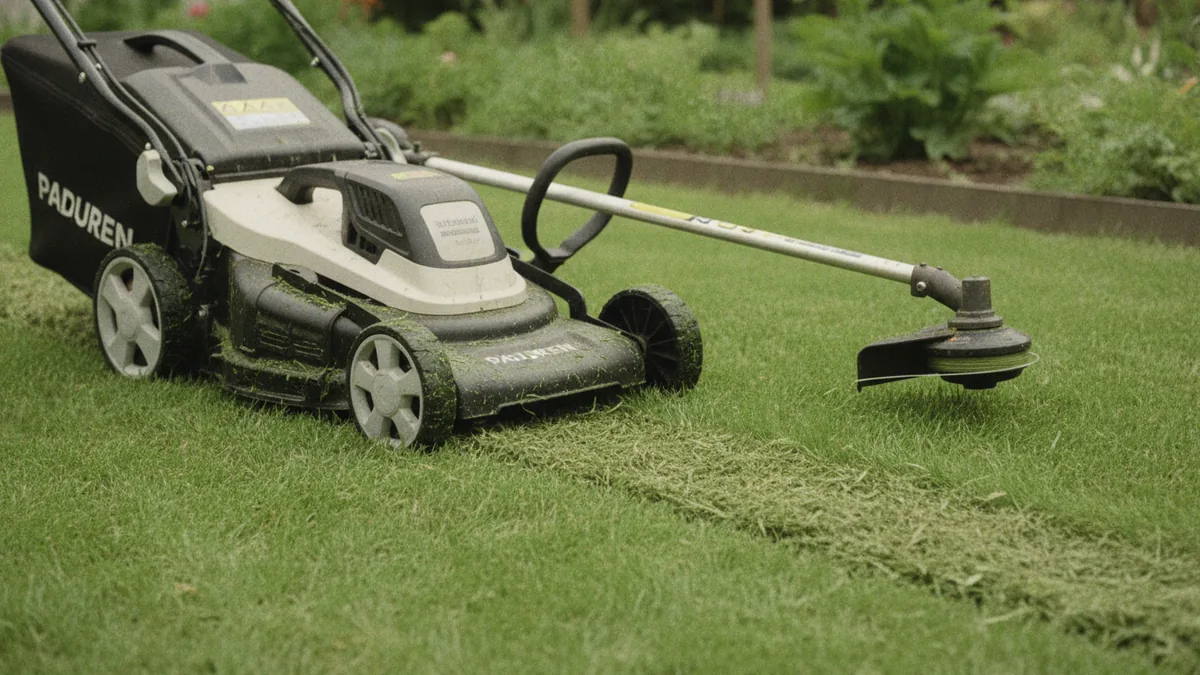
You do not need every tool on day one. Start with the smallest set that lets you mow fast and finish clean.
If you are figuring out how to start lawn cutting business on a tight budget, consider buying used equipment that has strong maintenance history. Then price your jobs high enough to cover fuel, wear, and repairs.
Legal requirements, business registration, and insurance
When you learn how to start a lawn business, legal setup should not be an afterthought. Research local regulations for business licenses, insurance, and potential certifications needed for any fertilizing, spraying, or chemical-related work.
Even if you are only cutting lawns at first, you still need to think about liability. A customer can slip on a wet surface, or property can be damaged by a flying object.
Business registration helps with opening a business bank account, getting proper invoices, and separating personal and business spending. It also makes it easier to scale when you add employees later.
Also check whether your area requires proof of insurance before work. Some homeowners associations or property managers will only hire insured providers.
| Topic | What to confirm | Why it matters |
|---|---|---|
| Business registration | Entity type and registration steps | Keeps finances and paperwork clean |
| Licenses | Local business license rules | Prevents shutdown risk |
| Insurance | General liability coverage | Protects you from property and injury claims |
| Certifications | Rules for fertilizing or spraying | Stops you from working outside your permissions |

If you are planning how to start a lawn fertilizing business or how to start a lawn spraying business, certification is often the key gate. Look up your local authority requirements before you buy chemicals or a spreader.
For equipment-focused services like how to start a lawn mower repair business, check whether you need any special permits. You may also need safe storage for parts and fluids.
Setting prices for lawn services that stay profitable
Pricing is where many new owners lose money. A good starting point is understanding local market rates, then testing your numbers on real jobs.
Most owners underestimate time. Yard size, slope, gate access, and cleanup requirements can add 15 to 45 minutes per job.
Use pricing strategies for services that reduce guesswork. Tiered packages work well because customers can choose a level that fits their budget.
- Measure your typical jobs: Note yard size and total time for your first 10 jobs.
- Calculate your real cost per job: Fuel, equipment wear, and time spent traveling.
- Set a base cut price: Keep it competitive but protect your minimum hourly rate.
- Add upsells: Edging, trimming, bagging, and seasonal cleanups.
- Offer tiers: For example, basic cut, cut plus trim, and cut plus full cleanup.
As a simple example, a basic mowing route might include a weekly cut plus a monthly edging add-on. Your tiered packages can also help you sell recurring work, which improves cash flow.
Seasonal services should have their own pricing logic. In peak months, you can charge premium rates for short-notice scheduling, while in slower months you can offer bundle deals.
Cost ranges matter too. Initial costs can range from $5,000 to $50,000 depending on equipment, transport, insurance, and whether you plan to add fertilizing or spraying.
Finding and retaining clients with simple systems
For how to start a lawn company, your first customer pipeline should be fast and local. Word-of-mouth remains strong because neighbors talk, and lawns are visible in daily life.
Use marketing for lawn services that matches how people choose contractors. Many homeowners want quick responses, clear pricing, and consistent arrival times.
Start with a launch plan that targets nearby streets. Offer a first-service discount that is limited in time, not unlimited in scope.
- Word-of-mouth: Ask satisfied customers for referrals with a simple follow-up text.
- Social media: Post before-and-after yard results and short summaries of each service.
- Community involvement: Sponsor a local event or support school fundraisers with a free service raffle.
- Route reliability: Keep recurring customers on the same day each week.
- Customer retention strategies: Send reminders before the next cut and confirm access details.
Retention is often cheaper than new sales. Build your customer retention strategies around reminders, on-time arrivals, and consistent cleanup.
If you want to know how to start lawn maintenance business at a steady pace, aim for recurring contracts. After you complete a few first jobs, ask whether they want weekly or biweekly service.
If you are trying how to start a lawn business with no money, start with what you have and reduce costs. You can begin by offering basic trimming help, then grow into mowing once you have recurring income for a mower and transport.
Tips for growth, seasonal planning, and stronger income
Growth comes from planning, not just working harder. Track your schedule by route and time, then set monthly sales targets based on real job capacity.
Seasonal services help smooth demand. If you only mow, income can dip when weather slows. Diversifying into cleanup, aeration, overseeding, and fertilizing can stabilize your year.
Also plan for seasonal downturns by building a winter or off-season marketing push. Use the slow months to handle maintenance, request new quotes, and prepare equipment.
- Do equipment maintenance every week: Sharpen blades and check belts and air filters.
- Standardize job checklists: This reduces missed steps during busy weeks.
- Expand services carefully: Add fertilizing or spraying only after you meet local rules.
- Protect your brand: Take photos, show up on time, and communicate early.
- Build referral loops: Offer small referral rewards after a customer’s second service.
If you are considering how to start a lawn business in florida or a similar climate with year-round growth, adjust your service frequency. Hot, wet weather can create faster growth, while drought periods can shift focus to cleanup and light maintenance.
Lastly, keep your finances visible from day one. Know your monthly fixed costs, track fuel and repairs, and price new jobs based on measured time, not estimates.
Frequently asked questions
- How to start a lawn business with no money
- Start by offering basic lawn trimming or cleanup using any tools you already own. Build recurring customers first, then reinvest profits into a mower, transport, and insurance.
- What equipment do I need to start lawn cutting?
- Most new owners need a mower, a trimmer for edges, and a blower for cleanup. You also need a way to transport your gear safely to each property.
- Do I need business registration and insurance for lawn care services?
- Yes in most places you will need a business registration and a local business license. Insurance is strongly recommended so you are covered for property damage and injury claims.
- How should I set prices for lawn services?
- Price based on local market rates and your measured time per job. Use tiered packages so customers can pick basic mowing or add-ons like trimming and full cleanup.
- What permits or certifications might be required for fertilizing or spraying?
- Rules vary by location, but fertilizing and spraying can require specific certification. Check local regulations before buying chemicals or using spreaders and sprayers.
- How do I keep clients coming back all year?
- Offer recurring weekly or biweekly schedules and send clear reminders before each cut. Plan seasonal services for slow months so your income stays steady.
Related reading

PCI Compliance Certification: Requirements and Costs
Understand PCI DSS validation, business levels, costs, and the steps to stay compliant.

Apartment Compliance Timelines and Approvals
Apartment compliance can take days or months, depending on the checks and repairs needed.

PCI Compliance: Security and Business Duties
Learn who must meet PCI rules, how validation works, and what non-compliance can cost.