WEEE Compliance Explained: What Businesses Must Do
Understand what WEEE compliance means, key EU rules, and producer duties.
What is WEEE compliance, in plain terms
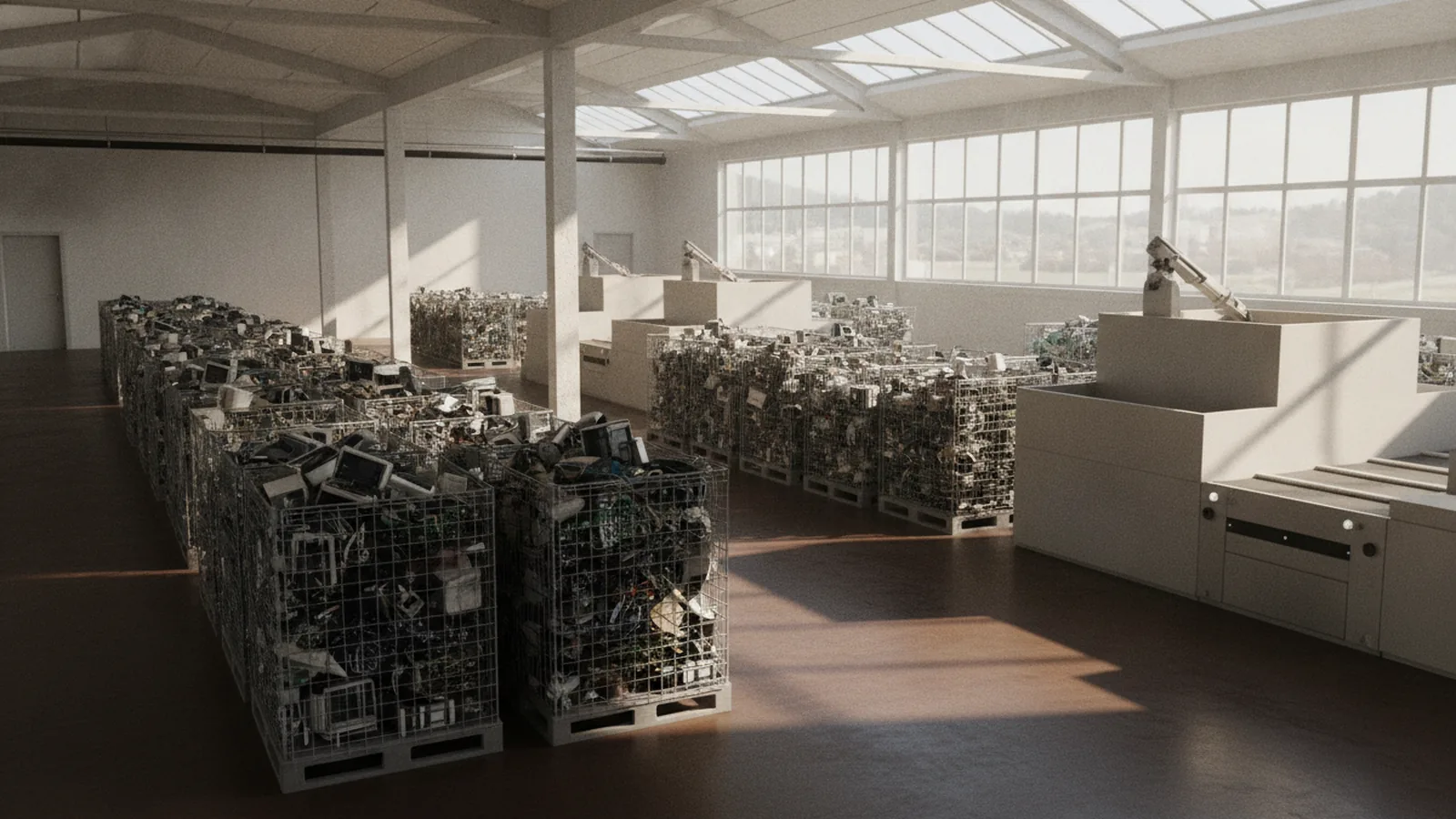
What is WEEE compliance? It is the rule set for handling waste from electrical and electronic goods. WEEE stands for Waste Electrical and Electronic Equipment. It helps manage e-waste through collection, recycling, and safe treatment.
WEEE compliance usually affects how you sell a product. It also affects how you handle it when customers end its life. For many firms, the hard part is setup, not the final recycling step.
Compliance also means you must keep proof. You show what you sold, what was taken back, and what was handled. Then you report results each year.
- Compliance means meeting registration and reporting duties.
- Waste management means using approved treatment routes.
- Producer responsibility means funding and organising end-of-life.
History of the WEEE directive
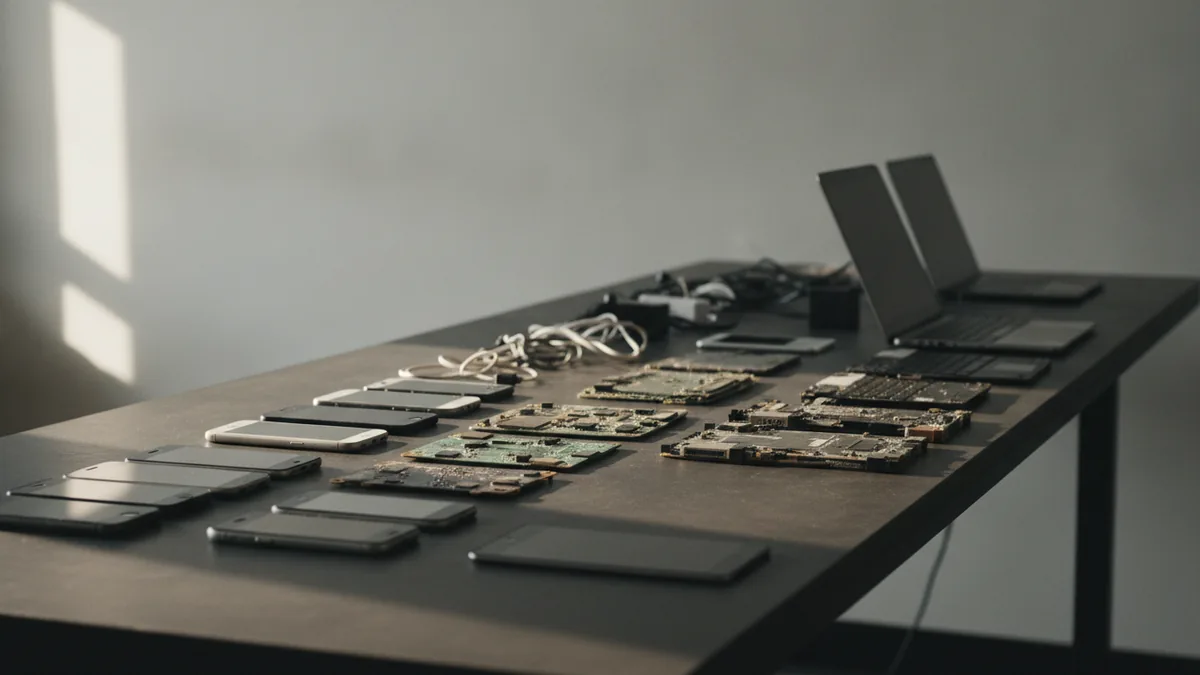
The first WEEE directive started in 2003. It aimed to bring one approach across EU countries. Before that, rules and recycling paths were uneven.
A key update came in 2012. The change pushed stronger duties on producers. It also made end-of-life handling clearer and more consistent.
This history matters for today’s work. Many firms built their systems around the post-2012 model. That model drives how registration and reporting are done.
Key requirements you must understand for WEEE compliance
WEEE compliance is not one single task. It is a bundle of duties across your product and your market. If you miss one duty, your whole process can fail.
In EU markets, manufacturers and sellers often must register. They must follow the local rules for the products they place on the market. Registration is usually done in a national system.
You also need a way for customers to return used items. Those returns must go to approved take-back and treatment paths. This avoids mixing e-waste with regular trash.
Finally, you must keep records and report outcomes. Your report uses real weights and counts from handling. Regulators expect this proof every year.
- Register for the right products and countries you sell into.
- Set take-back so buyers can return end-of-life gear.
- Use approved treatment for proper recycling and safe handling.
- Report yearly on weights and quantities you handled.
What you sell defines much of the work. WEEE covers goods that need electricity or batteries. You should map your item list to the right rules early.
Which products count as WEEE
WEEE rules usually cover devices that run on electricity or batteries. That can include home goods, tools, and office gear. It can also include some parts if they are sold for use.
If you have many models, do a mapping step. Match each item to a WEEE category. Then apply duties and reporting for that category.
Keep your match notes in a file. This helps if you face an audit or a query.
WEEE categories: how equipment is grouped
WEEE categories group devices for take-back and sorting. They help firms track results in a shared way. They also support how recycling plants process items.
Common groups include temperature exchange equipment and screens. There are also large devices and small devices. Small IT equipment is a separate group in many setups.
Correct category use is vital. If you label a device wrong, your reports may look wrong. That can lead to extra checks or enforcement.
| WEEE category example | Typical product types |
|---|---|
| Temperature exchange equipment | Cooling and heating devices |
| Screens | Monitors and display units |
| Large devices | Larger household or office equipment |
| Small devices | Compact electronics for home or office |
| Small IT equipment | Smaller computing and IT gear |
Build a simple rule list for your team. Use power source and device role for each model. Then review it when you launch new goods.
Producer responsibilities under WEEE
Producer duties sit at the core of electronic waste compliance. The producer role often means funding and running end-of-life steps. This aligns with producer responsibility and the circular economy goal.
A key duty is a take-back system. Producers must offer a way for end users to return used gear. Take-back can be run alone or through an approved group scheme.
Producers must also ensure proper disposal. That means collected goods go to approved treatment sites. Those sites sort parts, recover metals, and treat items with care.
- Take-back programs let customers return used items.
- Collection coverage supports waste management across the market.
- Proper treatment helps cut environmental harm.
- Proof and records back up annual reporting.
Even if you only sell a brand, you may still have duties. The exact role depends on how you enter the EU market. Contracts should spell out who handles each end-of-life step.
Why WEEE compliance matters for businesses
WEEE compliance matters because e-waste can harm nature if mishandled. Some components can become hazardous when broken. Proper recycling and treatment lower that risk.
Compliance also cuts business risk. Regulators can ask for proof of registration, take-back, and reporting. If you lack data, you can face action.
WEEE systems can also improve your product planning. When you track categories and return volumes, you learn which goods drive most waste. That helps with design choices over time.
It can also improve customer trust. Many buyers now want clear proof of responsible handling. Firms that can show results may win faster.
Current trends and future directions in WEEE compliance
Today, enforcement tends to focus on hard numbers. Regulators want real data from collection and reporting. So you should build strong data flows.
Another trend is better product design for reuse. The idea is to make devices easier to repair and break down for recycling. This supports the circular economy direction and can cut future cost.
Cross-border online sales are also more visible. If you sell into more EU countries, you may need broader registration. That can add reporting and take-back setup.
To prepare, many firms tie compliance to product launch. They map each model to a WEEE category at the start. Then they set data needs for the yearly report.
Annual reporting reminder: WEEE compliance often requires yearly data on weights and counts handled. Use monthly collection inputs to keep this easy. Avoid doing it all in the last week.
Practical next step for teams
Start with a full product list. Mark which items need electricity or batteries. Then link each item to a WEEE category.
Next, document your take-back and disposal path. Confirm that your partners can share the figures you need. With that, compliance becomes a routine process.
Frequently asked questions
- What is WEEE compliance?
- WEEE compliance is the set of duties for handling waste electrical and electronic equipment. It covers registration, take-back, proper treatment, and annual reporting.
- What does the WEEE directive require for businesses?
- The WEEE directive requires manufacturers and sellers in the EU market to register and follow compliance rules. It also requires take-back solutions and reporting on collected e-waste.
- Which products are covered by WEEE rules?
- WEEE rules cover electrical and electronic equipment that needs electricity or batteries to run. That scope can include many consumer and business electronic devices.
- What are the main WEEE categories?
- Common categories include temperature exchange equipment, screens, large devices, small devices, and small IT equipment. Correct category mapping supports accurate reporting and collection.
- Do producers have to offer take-back programs?
- Yes. Producers must provide take-back solutions so customers can return end-of-life equipment. They must also ensure the collected waste is treated through approved recycling routes.
- What reporting is required for WEEE compliance?
- Businesses generally need annual reporting on the weights and quantities of e-waste handled. The figures come from collection and treatment data tied to your products and categories.
Related reading

Intellectual Property Rights: Ownership and Protection
Know what IP rights protect, who owns them, and how to use them.
Filing a Lawsuit Against a Company: Rights and Steps
Key steps for bringing a civil claim against a company in Australia.
Trademark and Copyright: Identity and Expression
Trademarks protect brand identity; copyrights protect original creative work.