4 Compliance Methods for Bloodborne Pathogens (Explained)
Understand the 4 key compliance methods for bloodborne pathogens.
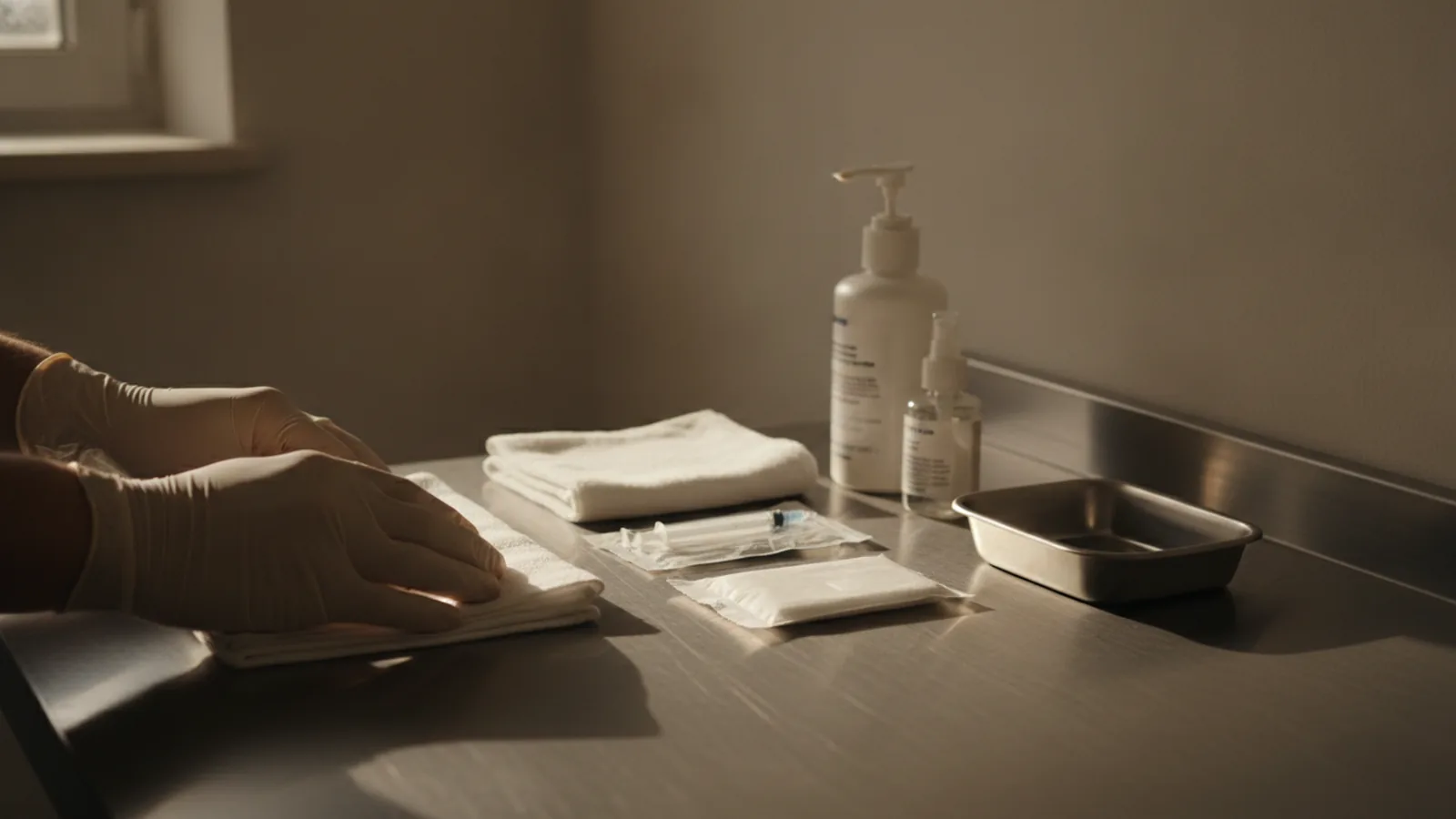
Understanding bloodborne pathogens
To answer what are 4 methods of compliance to bloodborne pathogens standards, think “four layers.” Those layers protect workers from blood and OPIM exposure.
The bloodborne pathogens standard aims to stop worker illness from contact with blood. It also covers other potentially infectious materials, often called OPIM.
Exposures can happen during sharp injuries, like needle pokes. They can also happen from splash to the eyes or on broken skin.
In many workplaces, OSHA bloodborne pathogens compliance is used as a system model. Employers still adapt the plan to their duties and risks.
With that in mind, the next sections explain each method clearly. You can use this to review your current program.
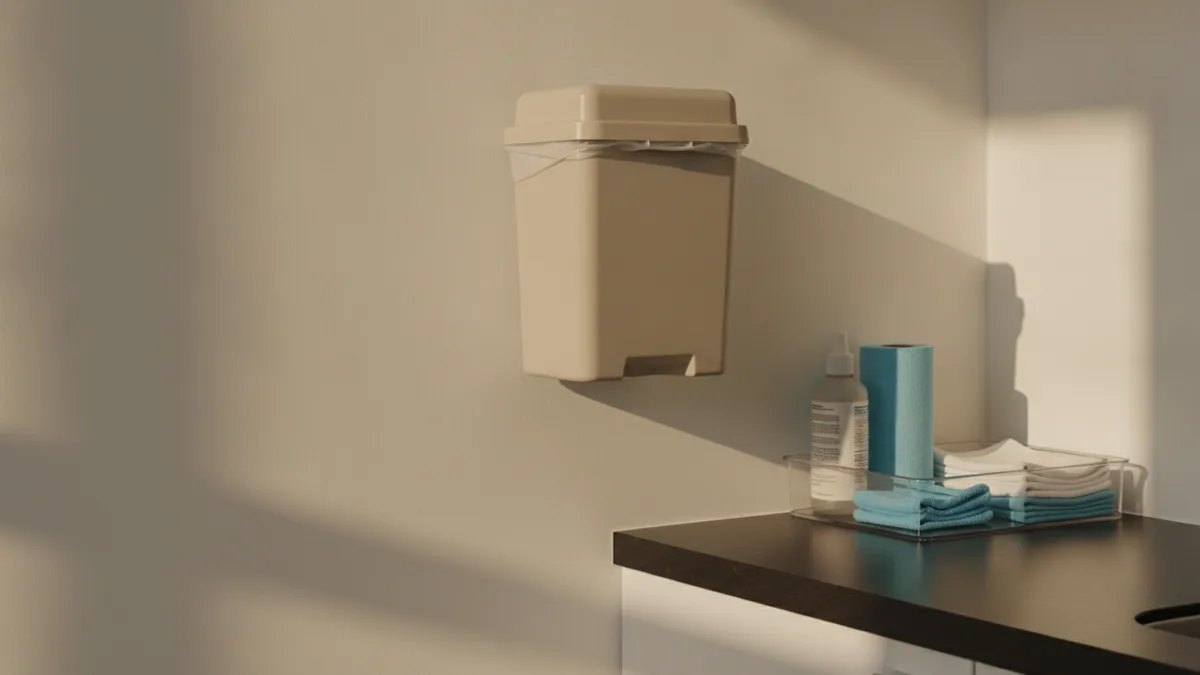
Overview of compliance methods
Most bloodborne pathogens prevention strategies use the same four methods. You’ll see them taught as a layered approach.
Each method reduces risk in a different way. If one layer fails, another still lowers harm.
Below is a quick map of the bloodborne pathogens standard compliance methods. It also shows what each method controls at work.
| Method | What it controls | Common examples |
|---|---|---|
| Universal precautions | Assumed source risk | Treat all blood and OPIM as risky |
| Engineering controls | The hazard itself | Safety sharps and splash shields |
| Work practice controls | How tasks are done | Right disposal and hand washing |
| PPE | The last barrier | Gloves, eye wear, gowns |
This is not just training. It is a set of rules, tools, and habits.
Now let’s start with universal precautions. It sets the baseline for safe action.
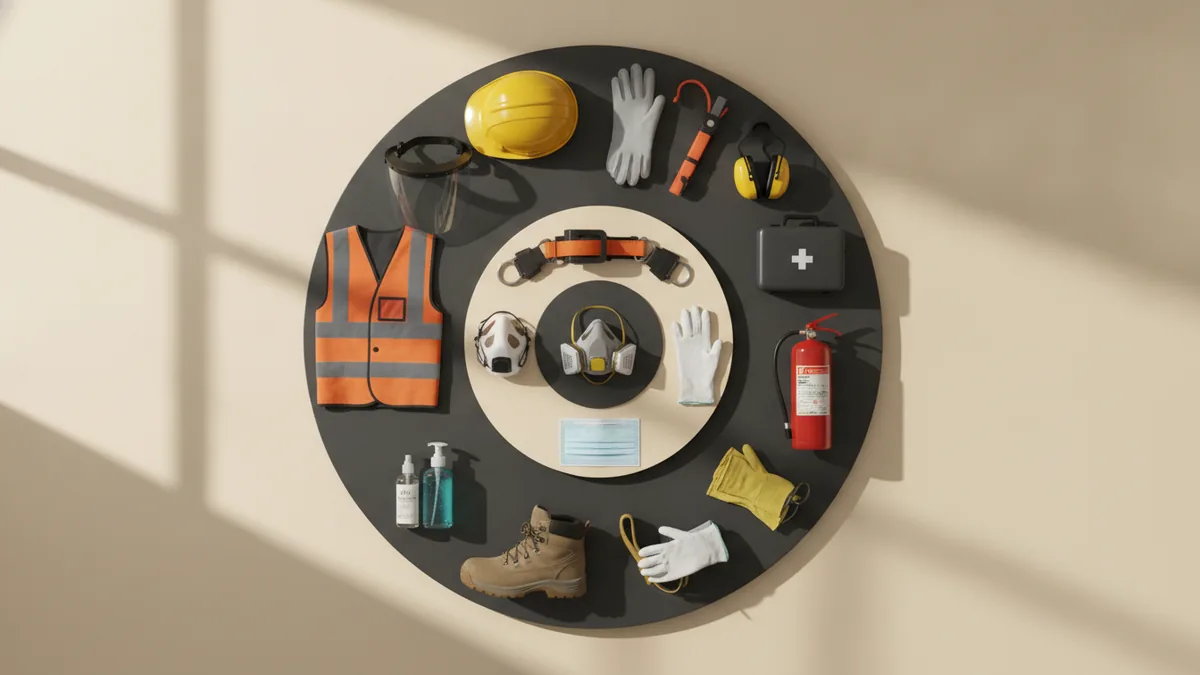
Universal precautions explained
Universal Precautions mean you treat all blood and OPIM as if they carry germs. You act as if they are infectious.
This removes guessing. You don’t wait for a source to be “known risky.”
Universal precautions also makes behaviour consistent across shifts. Consistency helps when people are busy or under stress.
It guides cleaning, spill steps, and sharp handling. It also guides how staff protect eyes and skin.
What universal precautions look like
- Wear gloves when you may touch blood or OPIM.
- Wash hands right after glove removal.
- Handle spills with the right steps, every time.
- Use safe sharps handling, not casual passing.
Think of it like “default safety.” It applies even when you lack lab details.
But assumptions alone cannot stop a sharp injury. That is why engineering controls matter next.
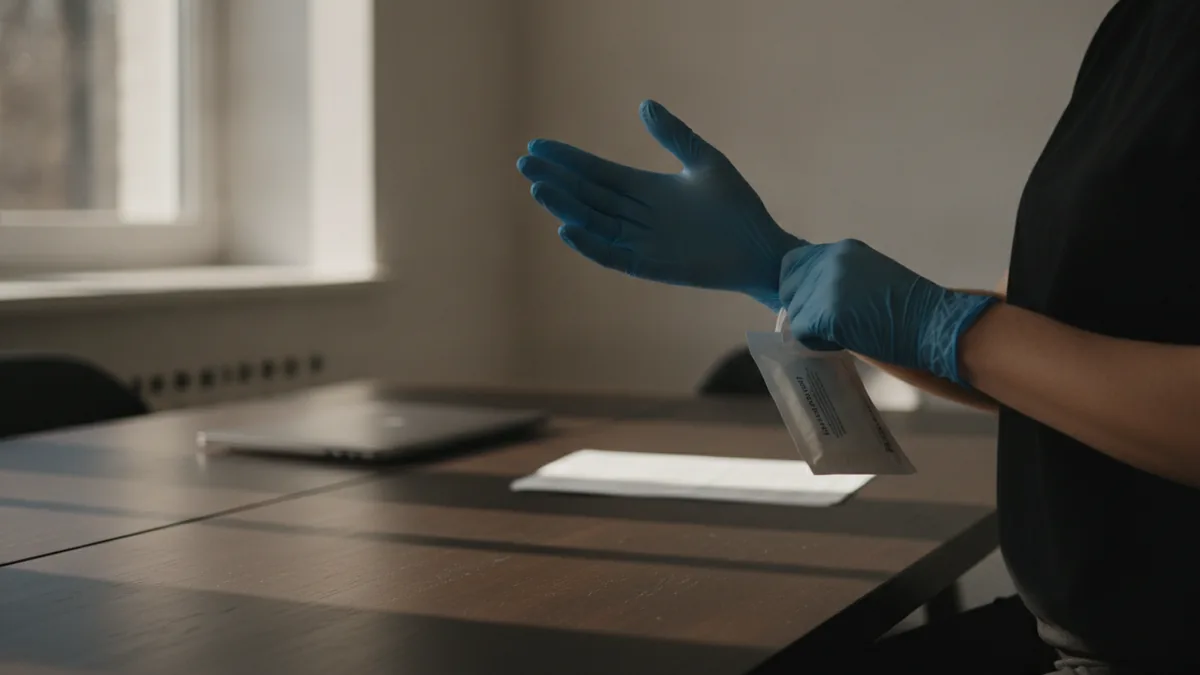
Importance of engineering controls
Engineering controls reduce risk by changing the work setup. They isolate the hazard or remove it from reach.
This is a strong way to prevent sharps injury. It works even when people make mistakes.
For example, a safety-engineered sharp has a built-in shield. That shield reduces the chance of a needle poke.
Engineering controls can also limit splashes. Splash guards and tool designs can block liquid from eyes.
One key rule is simple. Start with the source, then add user steps.
Common engineering safety controls
- Safety sharps to lower needlesticks during use and disposal.
- Sharps containers placed close to where sharps are used.
- Barriers that limit splash spread to faces.
- Tool redesign that reduces two-handed risks.
Also review your tools on a schedule. A safer model may exist once you buy again.
Engineering controls reduce harm, but they do not teach task steps. That role goes to work practice controls.
Implementing work practice controls
Work practice controls govern how tasks are done. They set safe steps that lower exposure during real work.
These procedures turn the standard into routine habits. They cover disposal, cleaning, and hand hygiene.
Sharps injury prevention often depends on small choices. For instance, recapping needles can raise risk if done wrong.
Work practice controls also cover how to clean up blood. They include what tools to use and when to stop.
Examples of work practice procedures
- Dispose of sharps right away in the right bin.
- Do not overfill sharps containers before closing.
- Use safe pickup tools during cleanup, not bare hands.
- Do hand washing after gloves come off.
- Use a set spill plan with the right contact time.
Train staff on these steps using real tasks. Then check practice during normal shifts.
When work practice is weak, PPE becomes the main shield. That is why PPE selection is next.
Role of personal protective equipment (PPE)
Personal protective equipment, or PPE, is the barrier when other controls do not fully stop exposure. It protects hands, eyes, and skin.
PPE is critical, but it is not magic. It cannot fix a bad sharps setup.
Gloves help with hand contact. Eye wear helps with splash risk. Gowns help when clothing could be hit.
PPE must fit and be used the right way. If gloves tear, protection drops fast.
How to choose PPE for tasks
- List tasks that could involve blood or OPIM.
- Match PPE to exposure routes, like splashes or skin contact.
- Pick items that work well together, without gaps.
- Train on how to put on and take off PPE safely.
- Replace PPE when it is dirty, wet, or damaged.
Good practice includes correct removal. Poor removal can move germs to skin and surfaces.
Even strong PPE needs a plan to stay strong over time. That brings us to the exposure plan.
Developing an effective exposure control plan
An Exposure Control Plan ties the four methods into one system. It sets how the workplace manages risk, day after day.
This plan is not just for audits. It should be easy for staff to use during busy moments.
It also supports updates. When tools change, or risks shift, the plan should change too.
In the United States, OSHA bloodborne pathogens compliance often expects written elements. Other places may use similar ideas.
What an effective plan should cover
- Job roles and tasks that may involve blood or OPIM.
- A review of where exposure could occur.
- How you choose and maintain engineering safety controls.
- Written work practice procedures for disposal and hand hygiene.
- PPE rules, plus training and replacement guidance.
- A process to review events and update controls.
Then keep the plan current using real triggers. Do not wait for the next training cycle.
Ways to keep the plan working
- Review the plan after any sharps injury.
- Update tool choices when better safety options appear.
- Use short refresher training based on observed gaps.
- Include frontline staff in process improvements.
When the plan is alive, the four methods become steady practice. That is the point of compliance, not just paperwork.
Frequently asked questions
- What are 4 methods of compliance to bloodborne pathogens standards?
- The four methods are Universal Precautions, Engineering Controls, Work Practice Controls, and Personal Protective Equipment (PPE). They work together as a layered system to cut exposure risk.
- How do universal precautions prevent bloodborne exposure?
- They require treating all blood and OPIM as potentially infectious. This removes the need to identify risk before protecting yourself.
- Why do engineering controls matter more than PPE?
- Engineering controls cut exposure by isolating hazards or removing them from the workplace. PPE still matters, but it is the last barrier when risks remain.
- What are work practice controls in bloodborne safety?
- Work practice controls are the step-by-step routines that lower exposure during tasks. Examples include safe sharps disposal and steady hand hygiene.
- What should an Exposure Control Plan include?
- It should cover job roles, exposure risks, training, engineering controls, work practice rules, and PPE steps. It should also review events and update controls over time.
Related reading

Murdaugh Law Firm: Its Status and Future
PMPED lives on as Parker Law Group, despite the damage caused by Alex Murdaugh's crimes.
Vascular Compliance: How Blood Vessels Handle Pressure
Learn how vessel stretch affects pressure, blood flow, and vascular health.
Ventricular Compliance: Heart Filling, Pressure, and Disease
Learn how ventricular compliance affects heart filling, pressure, and disease.