How to Get an International Trademark via the Madrid System
A clear guide to filing for international trademark protection via the Madrid System.

Understanding international trademarks
An international trademark lets you seek brand protection in many countries. You still get rights country by country. Each office applies its own rules.
That is why this topic is about trademark protection abroad. It also helps you plan a global trademark strategy without doing everything from scratch. You centralize key steps, but outcomes can differ.
Think of it as a coordinated path, not a single worldwide grant. Your file travels as one request. Then each country decides if your mark can register.
What the Madrid System is (and how it works)
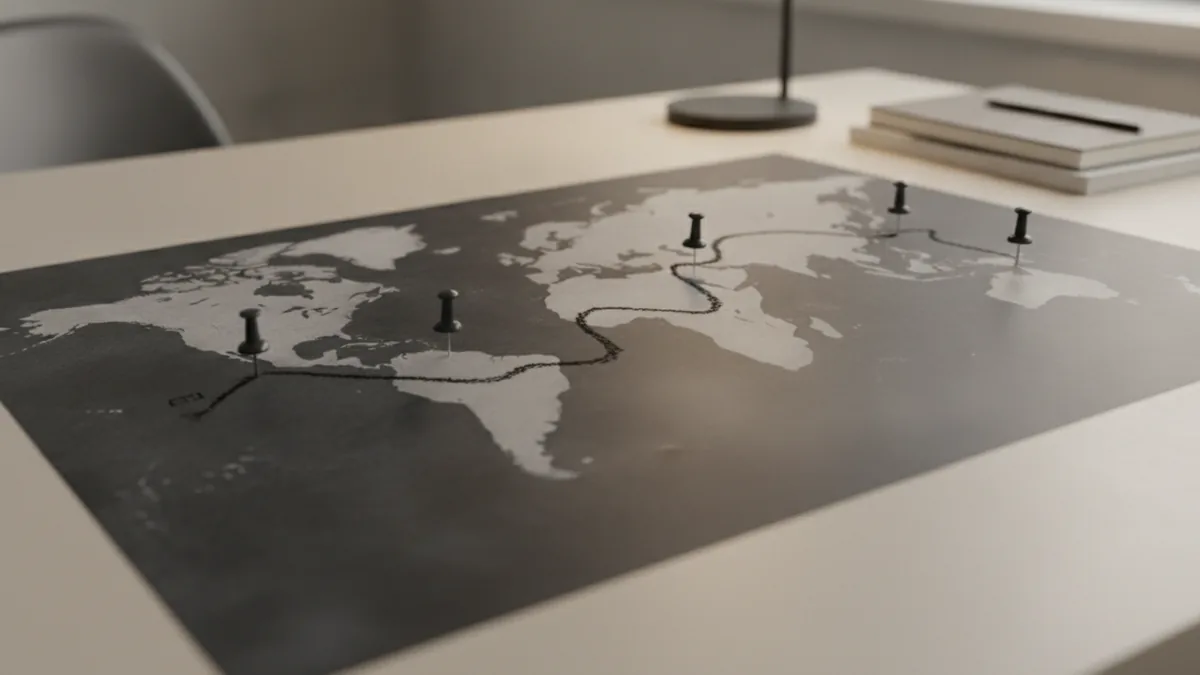
The Madrid System is a treaty process managed through WIPO. It uses one main filing to request protection in multiple member countries. You file through your home office.
The big win is speed and consistency. You can designate over 100 member countries in one international trademark file. You avoid building a new form set for each market.
Yet the review still happens at each destination. Each member country can refuse or approve your mark. So “international” means one route, not one rule set.
- One Madrid System trademark application is filed.
- You pick which member countries to cover.
- Local offices still check your mark.
The Madrid Protocol is the modern legal framework many join. It helps standardize parts of the process across places. The core idea stays the same.
Eligibility: who can use the Madrid System?
You cannot use the Madrid System from a blank start. You must have a national trademark application or a national trademark registration at home. This home right links your international case.
So the process starts with trademark eligibility in your own country. You first seek your home national trademark registration. Then you use that as the base for an international trademark registration.
Your home office must also be tied to a member country. That tie can come from where you live or where you run your business. Rules can vary, so check before you draft.
- Have a national trademark application or registration first.
- Keep a link to a Madrid member country.
- Be ready for local review after you file.
This “home first” design keeps the system workable. It also means early changes in your home case can matter later. Plan your steps in order.

Steps to apply for an international trademark (Madrid System)
If you ask how to get international trademark protection, start here. File at home first. Then file a Madrid System trademark application that points outward to chosen countries.
Use a simple flow in your head. You file, you pay, you wait, and you reply if a country objects. That is the full cycle most applicants face.
- File your home trademark application or use an existing home registration. This becomes the base right for your international filing.
- Pick your goods and services carefully. Write them in clear terms that match what you sell.
- File the Madrid System trademark application via your home office. Your home office sends it onward for you.
- Pay the Madrid fees tied to your case. Fees depend on designations and your file details.
- List the countries you want. Your choices decide where examiners will later review your mark.
- Watch for office actions. Some countries send refusals or ask for fixes.
When a country raises an issue, you must respond within its time limits. Those steps can be local and detailed. Many applicants hire a trademark lawyer for these replies.
Do a small clearance check before you file. This reduces surprises and speeds up responses. Even a basic check can flag obvious conflicts.
Also check your file text before you submit. Once sent, changes can take time. Then you may face extra back-and-forth.

Costs involved in international trademark registration
International trademark fees are not one fixed number. Your cost depends on which countries you name. It also depends on how you list your goods and services.
Many fees scale with designations. If you pick ten countries, you usually pay more than if you pick three. Your home office may also charge for sending the file.
Goods and services scope can raise costs too. Broad lists can trigger more review. That can add legal work and response time.
| Cost driver | What it affects |
|---|---|
| Designated countries | More countries usually mean higher fees. |
| Goods and services list | Complex scope can lead to more exam review. |
| Home office charges | Some offices add a forwarding fee. |
| Replies and fixes | Office actions can add lawyer or filing costs. |
If you want to file international trademark protection smartly, plan your first set. Start with your key markets. Add more later if your sales grow.
Safeguards and considerations before you commit
One big safeguard is to remember that each country has its own bar. Central filing does not remove local checks. So you should expect some risk.
Another safeguard is to understand the link to your home case. Your international rights can be tied to that home basic right early on. If your home case fails, your international outcome can shift.
This is why you should not rush the home filing step. Use correct owner data and match the mark you truly use. Then your base right is more stable.
- Write clear goods and services that match real use.
- Do basic search for conflicts in your target markets.
- Budget for replies if an office refuses.
- Track deadlines for each country decision.
Also check whether you need other routes. Some nations may not be in your Madrid list. Or you may want a separate national filing for a special need.
Renewing your international trademark
Once you get registered, you usually have protection for 10 years. After that, you must renew to keep rights. The renewal keeps your mark live in the countries you covered.
Trademark renewal is handled within the Madrid framework. You renew and pay through the system path. Then designated countries update your status.
Still, you must stay alert. Some countries can have extra rules or local steps. So do not treat renewal as “set and forget.”
Set internal reminders well before the 10-year end date. Also confirm your owner info is up to date. A clean record makes renewal faster.
FAQ: Madrid System international trademarks
How do I get an international trademark using the Madrid System?
Use your home trademark application or home registration as the base. File a Madrid System trademark application through your home office. Then pick member countries to cover.
Can I cover over 100 countries with one file?
Yes. A Madrid System trademark application can name over 100 member countries. Your final list depends on what you choose during filing.
What do I need before I file an international trademark?
You need a national trademark application or a national trademark registration at home. That home right is what the Madrid filing relies on. Without it, you usually cannot file.
Do member countries share one set of rules?
No. Each member country has its own trademark registration rules. So you may get approval in one place and refusal in another.
What costs should I expect for international trademark registration?
Costs vary by named countries and by your goods and services list. Many fees rise with the number of designations. Your home office may also add fees.
How long is an international trademark valid?
It is typically valid for 10 years. After that, you renew to keep rights in force in the covered countries.
Frequently asked questions
- How do I get an international trademark using the Madrid System?
- Use your home trademark application or home registration as the base. File a Madrid System trademark application through your home office. Then pick member countries to cover.
- Do I have to have a national trademark registration before filing internationally?
- You need a national trademark application or a national trademark registration at home. That home right is what the Madrid filing relies on. Without it, you usually cannot file.
- Can a Madrid System trademark application cover more than 100 countries?
- Yes. A Madrid System trademark application can name over 100 member countries. Your final list depends on what you choose during filing.
- Why can I get different results across designated countries?
- No. Each member country has its own trademark registration rules. So you may get approval in one place and refusal in another.
- What costs should I expect for international trademark registration?
- Costs vary by named countries and by your goods and services list. Many fees rise with the number of designations. Your home office may also add fees.
- How long is an international trademark valid?
- It is typically valid for 10 years. After that, you renew to keep rights in force in the covered countries.
Related reading
Chief Compliance Officers and Their Work
Learn the CCO role, career path, pay factors, and key duties.
Attorney-Client Privilege and Its Limits
See when legal advice stays private and when privilege can fail.

Breaking Into Venture Capital Firms
Build the skills, network, and proof that VC firms look for.