What Gives Flamingos Their Trademark Pink Color? Diet and Carotenoids
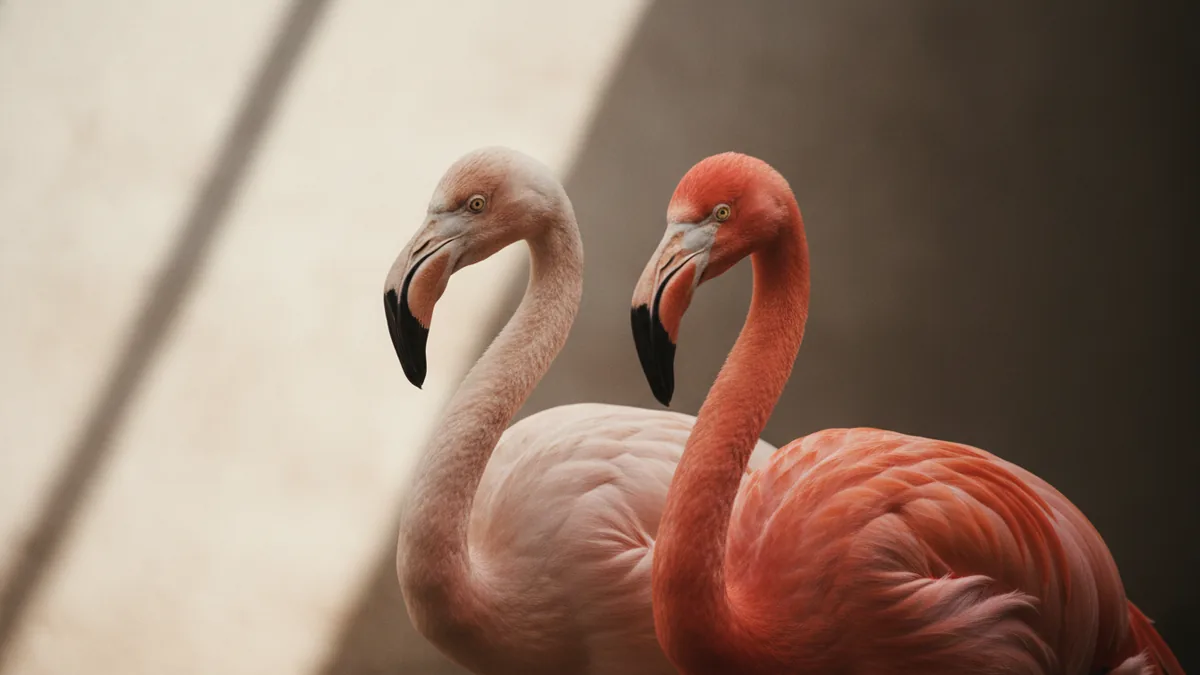
Carotenoids in algae and brine shrimp give flamingos their trademark pink.
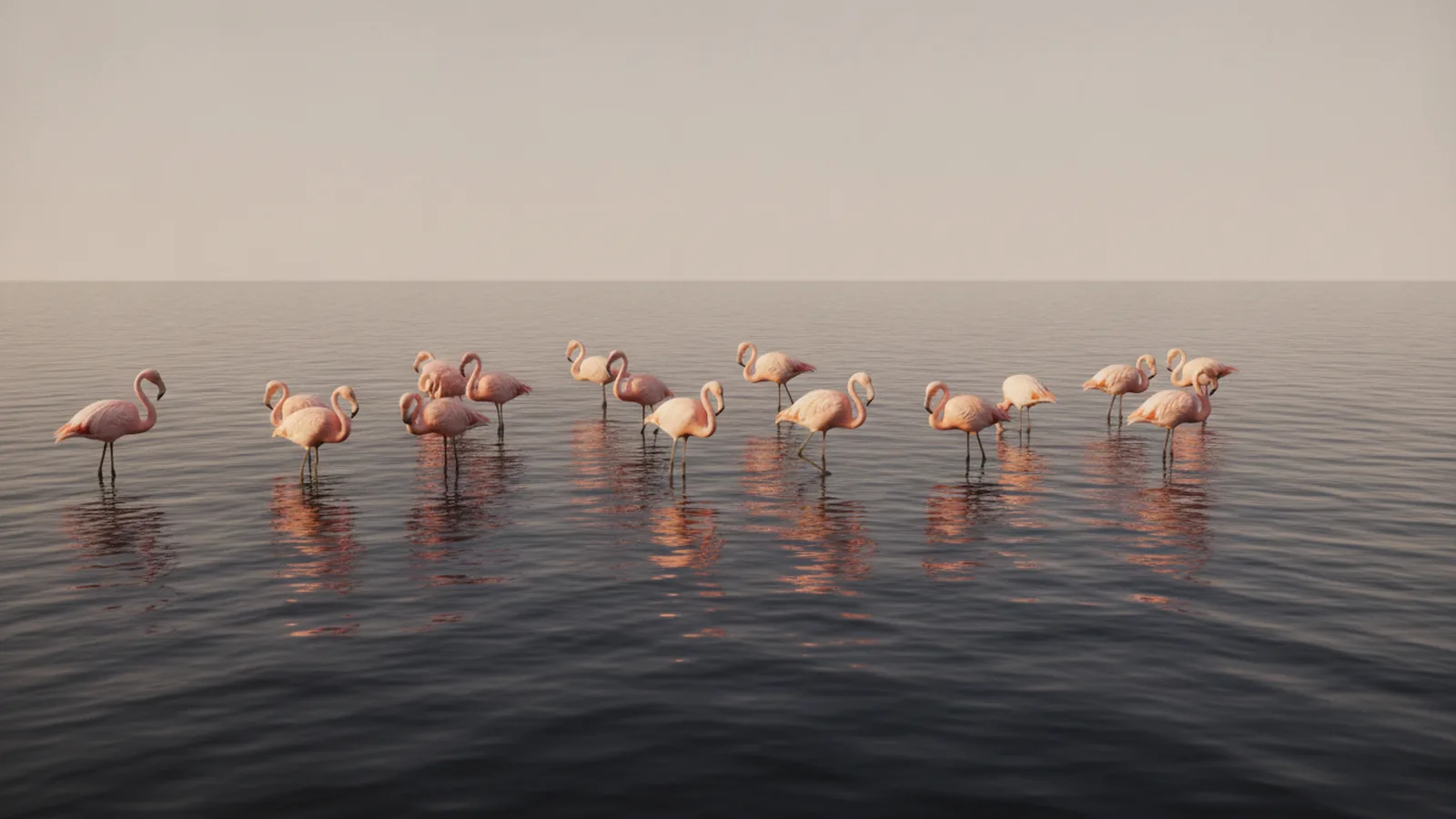
Introduction to Flamingo Coloration
What gives flamingos their trademark pink color is mostly their diet. The pigments that make feathers pink come from food, not from magic or skin color changes.
When you see flamingos in bright flocks, the shade looks like one steady pink. In real life, it ranges from pale rose to deep salmon. That variation usually tracks how much of the right pigment each bird consumes.
To understand what causes flamingos to be pink, it helps to focus on animal pigmentation and how diet supplies the raw materials. Flamingos are a clear example of food shaping color in nature.
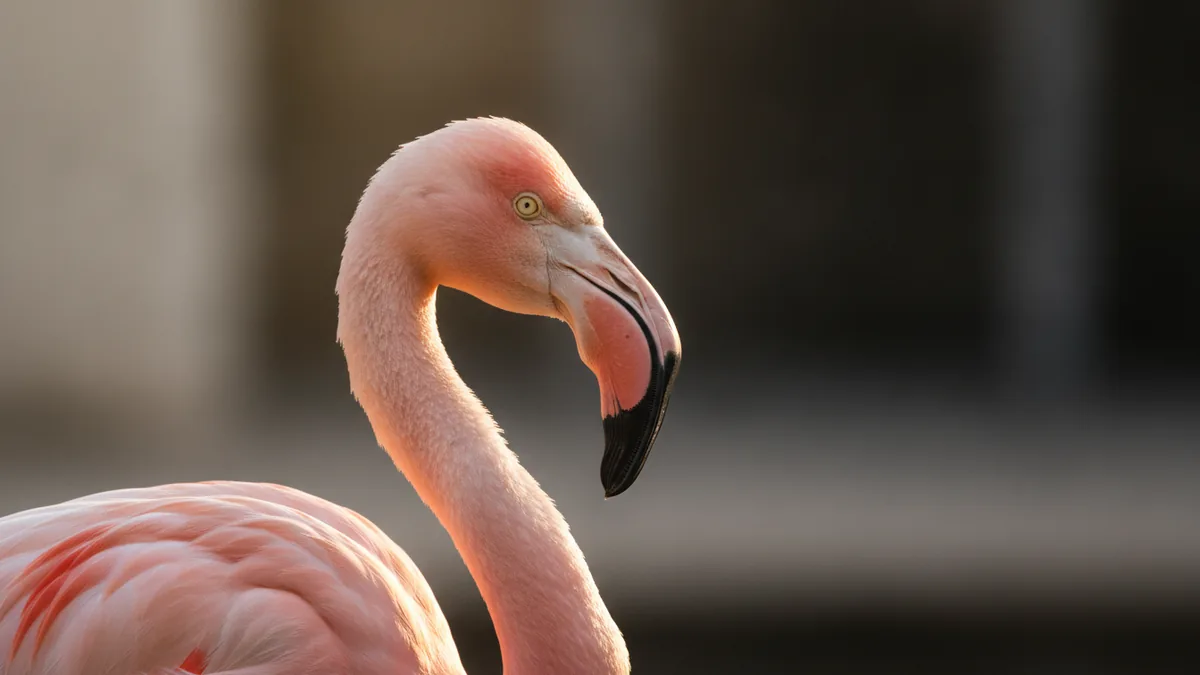
The role of diet in feather color
The role of diet in flamingo coloration comes down to carotenoids. These are natural pigments found in plants and many algae species, plus some small animals that eat them.
Flamingos eat mainly algae and brine shrimp-like prey. Algae can contain high levels of carotenoids, and brine shrimp can concentrate them from their own diet.
Once those pigments enter a flamingo’s body, the birds can carry them to feathers. Their feathers then develop pink tones as the pigments deposit during growth.
- Food source: algae and small aquatic prey
- Pigment type: carotenoids
- Where color shows: feather keratin as it forms
That is the core answer to “how flamingos turn pink.” The food brings the pigments. The body does the rest.
Understanding carotenoids
Carotenoids are pigments responsible for many red, orange, and yellow colors in animals and plants. For flamingos, the carotenoids they ingest can shift toward pink shades after processing in the body.
Common carotenoids in flamingo diets include beta-carotene and related compounds. Different carotenoids can produce different hues when they end up in feathers. That is why two birds can look different even if they eat the same foods.
Carotenoids also matter because they cannot be made by flamingos from scratch. Flamingos rely on their diet to supply these molecules for animal pigmentation.
| Diet input | What carotenoids do | Typical visual outcome |
|---|---|---|
| Algae with carotenoids | Supplies pigments for feather growth | Pale to strong pink |
| Carotenoids concentrated in prey | Raises pigment availability | Deeper salmon shades |
In short, flamingo carotenoids are the “color budget” that determines how vivid the bird can look.
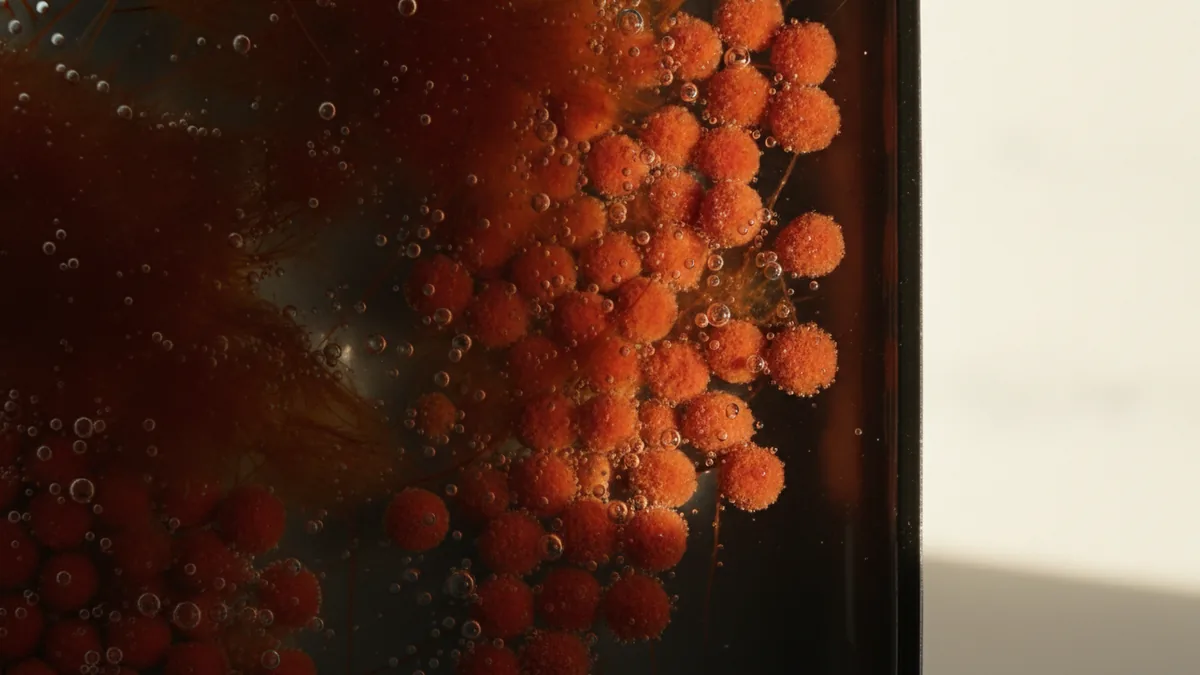
How flamingos metabolize carotenoids
Carotenoid metabolism is the step that turns ingested pigments into feather-ready color. After a flamingo eats, pigments are absorbed through the gut and carried in the bloodstream.
Flamingos then process these pigments before depositing them into feathers. This means flamingos are not just storing carotenoids. They are changing how much of each pigment form ends up where it matters.
Feathers grow in cycles. A bird that has good carotenoid intake during the feather growth window can produce brighter plumage later. If intake drops, new feathers may be less vivid.
- Ingestion: carotenoid-rich food enters the digestive system.
- Absorption: pigments move into the body via the bloodstream.
- Processing: the bird alters pigment forms for use.
- Deposition: pigments settle into growing feather keratin.
This sequence helps explain why what causes flamingos to be pink can look stable in a flock. It is often the steady result of consistent food intake over time.
Factors affecting pink color intensity
Even with the same general diet, color intensity can vary. The type and amount of carotenoids consumed is the biggest driver. If a bird eats more carotenoid-rich algae or prey, its feathers often come out more saturated.
Timing also matters. Because feathers grow gradually, there can be a lag between diet changes and visible color changes. A shift in food availability can take weeks to show in plumage.
Health and energy needs can influence how much pigment gets to feathers. If a bird is stressed or using lots of energy, it may route nutrients differently than a calmer bird.
Environmental factors affecting color can also come into play. Water conditions can change algae abundance, and that changes how much pigment is available in the food chain.
- Pigment input: how much carotenoid-rich food is eaten
- Pigment mix: different carotenoids can yield different pink tones
- Feather timing: current plumage reflects past diet during growth
- Environmental conditions: algae growth can rise and fall with water conditions
These factors combine to produce the real-world range in flamingo shades, from light pink to near-red.
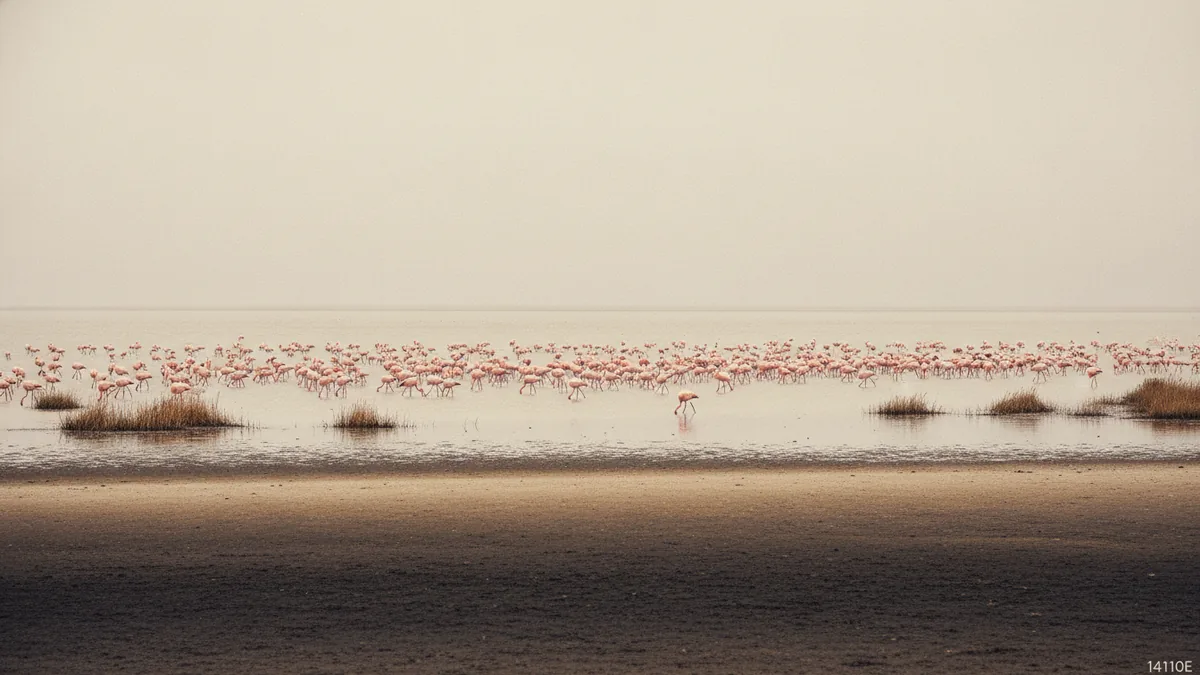
Variations between flamingo species
Different flamingo species can show different coloration. That does not mean the chemistry is totally different. Most species still rely on carotenoids from diet and then deposit them into feathers.
Variation often comes from diet and local environment. Species can feed in different places where algae types and prey availability differ. Those differences change both the amount and kind of carotenoid they ingest.
Age and breeding state can also affect shade. Many flamingos keep the same core “pink palette,” but intensity can rise or fall with molt timing and seasonal food access.
| Species example | What you might see | Main driver |
|---|---|---|
| Greater flamingo | Often vivid pink | Carotenoid-rich feeding areas |
| Caribbean flamingo | Can look paler | Local diet and water conditions |
| Chilean flamingo | Wide range of pink shades | Diet and seasonal availability |
So the answer to “what gives flamingos their trademark pink color” stays consistent. The details vary because diet and environment vary across flamingo species.
Conclusion and fascinating flamingo facts
Flamingos turn pink because flamingo carotenoids from algae and brine shrimp-like prey become part of feather structure. The role of diet in flamingo coloration is direct and measurable: pigments are ingested, processed, and then deposited as feathers grow.
That is why the “color” you see is really a record of diet. Birds that eat more carotenoid-rich foods usually look brighter, and changes in food availability can shift shade over time.
One fun way to frame it is to think of feather color as nutrition made visible. It is a case of how the outside world shapes animal pigmentation through diet and carotenoid metabolism.
In the wild, the flamingos’ pink is also a reminder of how food webs work. Algae supply pigments, small prey carry them forward, and flamingos reflect that chain in their feathers.
Quick summary
- What gives flamingos their trademark pink color: carotenoids from diet
- What causes flamingos to be pink: pigment deposition in new feathers
- How flamingos turn pink: ingest pigments, absorb them, process them, then deposit them
Frequently asked questions
- What gives flamingos their trademark pink color?
- Their feathers get pink pigments from what they eat. Carotenoids from algae and brine shrimp-like prey are absorbed and then deposited in feathers.
- What causes flamingos to be pink?
- Carotenoids in food drive the color. The pigments are used during feather growth, so diet strongly affects the final shade.
- How do flamingos turn pink from their food?
- Flamingos absorb carotenoids after eating. They then process the pigments and deposit them into growing feather keratin.
- Do all flamingo species look the same shade of pink?
- No. Flamingo species can show different pink tones because their diets and environments differ.
- Why does a flamingo’s pink color change over time?
- Feathers grow in cycles. If carotenoid intake changes, the new feathers reflect that shift after the growth period.
- Are carotenoids the only pigment involved in flamingo color?
- Carotenoids are the main driver of pink. Other factors can affect how bright the final pink looks, but carotenoids are the key source.
Related reading

Murdaugh Law Firm: Its Status and Future
PMPED lives on as Parker Law Group, despite the damage caused by Alex Murdaugh's crimes.

Vascular Compliance: How Blood Vessels Handle Pressure
Learn how vessel stretch affects pressure, blood flow, and vascular health.
Ventricular Compliance: Heart Filling, Pressure, and Disease
Learn how ventricular compliance affects heart filling, pressure, and disease.