What Is an Accurate Depiction of a Trademark? Types, Rules, and Risks
What is an accurate depiction of a trademark? Learn mark types, depiction rules, and why accuracy matters.

Definition: what is an accurate depiction of a trademark
An accurate depiction of a trademark shows your mark the way you claim it. It must match your use and your claim. It also needs to fit the form rules used by the USPTO.
This means your “trademark depiction” should show the same look every time. That look drives the mark’s “commercial impression,” which is what buyers notice. If the picture changes, your rights can shift too.
In short, accurate depiction helps the examiner and the public. It makes your claim clear. It also lowers the risk of a later dispute.
Why the law cares about the picture
Trademark law aims to stop real mix-ups in the market. Depiction is how the law sees your claimed source sign. A wrong picture can make your mark seem like a different one.
For example, a logo can include word parts and key art. If your filing drops key art, your claim may not cover it later. That can weaken your case.
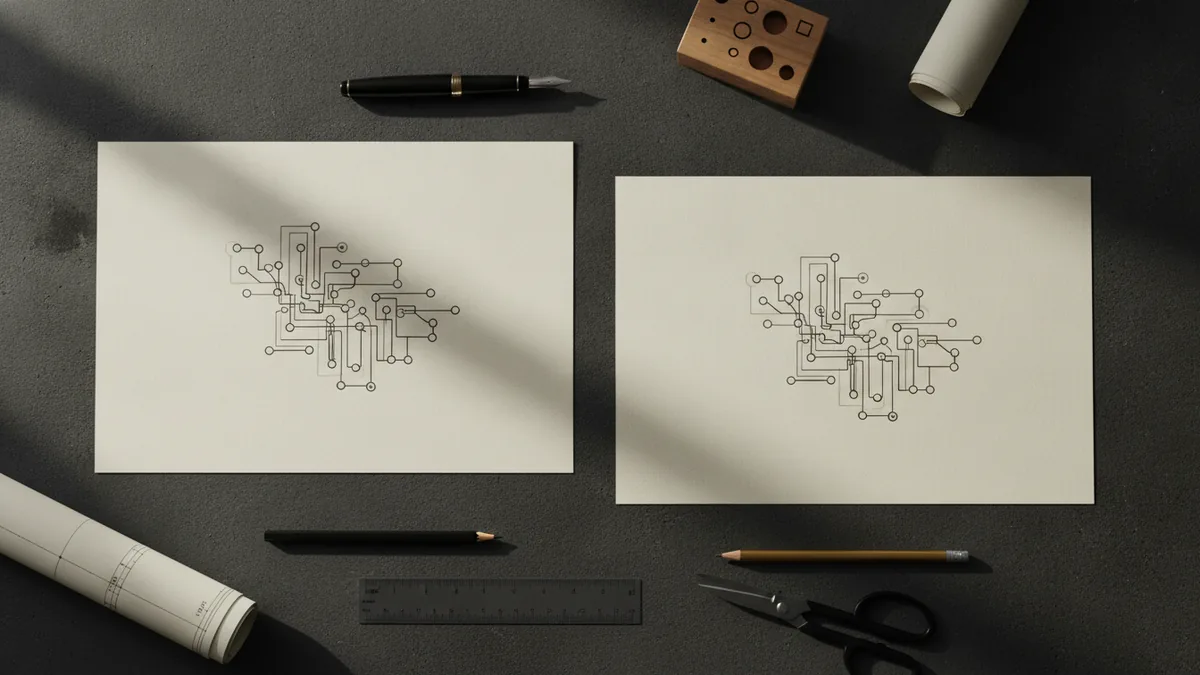
Trademark basics: definition and trademark categories
A trademark is a word, name, symbol, or device that marks one source. It tells buyers where goods or services come from. This is a core part of intellectual property law.
There are three main types used in practice. They are word marks, design marks, and service marks. Each type ties to how you use the mark.
Word marks focus on the text. Design marks focus on the art look. Service marks focus on services, not goods.
- Word marks protect the words as text.
- Design marks protect the visual art form.
- Service marks identify services from one source.
Your trademark application also names goods or services. That detail guides how the mark works. It should match the depiction you file.
Core trademark elements: what’s included in the claim
Trademark elements are the parts that make the mark stand out. They can be letters, icons, shapes, or a full layout. Together, they form the mark’s overall look.
A key test is what an average buyer sees. If two depictions change that look, they may not match. That can affect trademark registration and later rights.
So you should not edit the mark lightly. Even small shifts can change how people read it. This is why accuracy matters from day one.
| Trademark element | Simple example | What can go wrong |
|---|---|---|
| Spelling | “Bayside Roasters” | A missing letter can change the mark |
| Art and shapes | A flame next to the word | Changing the icon can change the mark |
| Letter style | Slant, space, or bold form | New style can move you out of scope |
| Color | Gold and red crest | Color shifts can shrink or alter scope |
Standard character mark vs. special format mark
The right way to depict depends on the mark type. Two common types are the standard character mark and the special format mark.
A standard character mark is text shown without focus on font, size, or color. You claim the words, not a style. The filing aims to keep broad word rights.
A special format mark claims a fixed design look. It includes set art, set layout, and set style. Here, your depiction should match what makes it “distinctive.”
How the choice changes your rights
With a standard character mark, you keep more room later. You can use new fonts if the words stay the same. That can help as your brand evolves.
With a special format mark, you must stay close to your claimed look. If you swap layout or art, the mark can feel different. That can hurt you in a later fight.
These are legal differences, not just filing labels. They can shape both use rules and enforcement reach.
- Standard character mark: you claim the words.
- Special format mark: you claim the fixed design look.
- Mismatch risk: a wrong drawing type can block a filing.
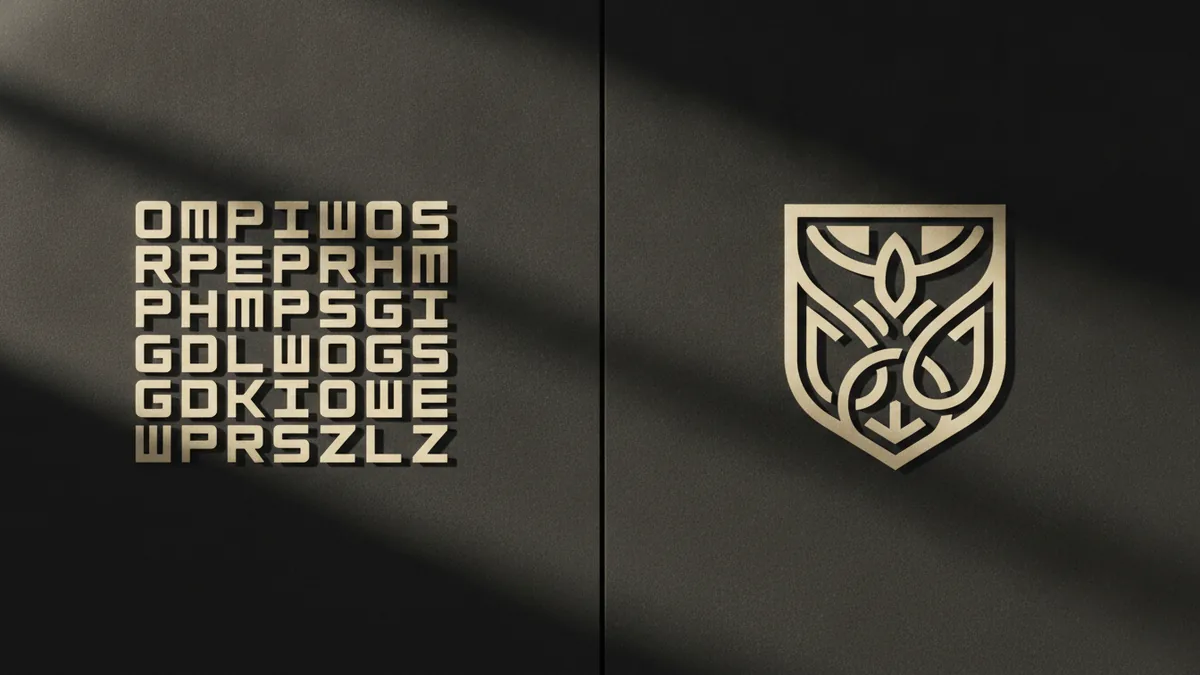
Importance of accurate depiction for trademark registration and enforcement
Accurate depiction matters at two stages. First, it affects what the USPTO approves. Second, it affects how you enforce what you got.
During review, the examiner compares your mark to older marks. The depiction is the basis for that look test. If your drawing is off, you can get a refusal.
After you register, your rights tie to the recorded depiction. If your later use drifts, you may face “scope” fights. Those fights can cost time and money.
Concrete examples of depiction problems
Example one: a logo has a word part plus a crest. If you file only the word, your claim may miss the crest. Later, you may not be able to stop a near logo.
Example two: you pick a standard character claim but file a stylized image. The examiner may ask for a cleaner word depiction. That can delay your trademark application.
Example three: your site banner changes the logo spacing. If the public sees a new layout, the “commercial impression” shifts. Your recorded mark can stop matching real use.
Legal requirements for trademark depiction (including USPTO rules)
Trademark depiction follows strict filing rules. The USPTO wants a proper drawing in the right form. It also wants the drawing to show the mark clearly.
For standard character marks, the drawing should show only the text. It should not lean on a special font look. For special format marks, the drawing must show your art and layout.
Clear lines and right crop matter. If a mark looks blurry or cut off, the USPTO may ask for fixes. That can slow your process.
What to check before you file
Start by picking your mark type. Then make sure the drawing matches that pick. Your words and your art should match your current use.
Next, check how you present the mark in daily use. If you use one version on site, use that version in the file. That helps keep trademark elements aligned.
Also check color use. If color is part of how buyers see your mark, reflect it in the claim. If not, keep the drawing in line with your strategy.
- Pick standard character mark or special format mark.
- Verify the text spelling is exact, letter by letter.
- Recreate the art and layout from your real use.
- Match your mark description to the drawing you submit.
- Review the USPTO rules for drawings and renderings.
For the core drawing rules, use USPTO guidance on drawings and renderings. It is the best place to confirm what the USPTO expects.
Tip: If you plan logo changes soon, standard character can help. If your brand depends on the logo art, special format may fit better.
Conclusion and best practices for accurate depiction
An accurate depiction of a trademark is a claim-matched drawing of your mark. It should mirror the same commercial impression that buyers meet in real life. It also must follow the USPTO form rules for a proper filing.
Choose the right type up front. A standard character mark focuses on words. A special format mark focuses on the fixed design look.
Then keep your future use in sync with your filing. Update your art only when you can match the new look in a new claim. Good upkeep protects your place in the market.
Frequently asked questions
- What is an accurate depiction of a trademark?
- It is a drawing that shows the mark in the form you claim. It should match your chosen mark type and your real use. It should also fit the filing format rules.
- What is the difference between a standard character mark and a special format mark?
- A standard character mark claims the words without regard to font or style. A special format mark claims a set design look and layout. Your drawing must match the type you choose.
- Why do trademark depiction errors matter for a trademark application?
- They can cause refusals or require fixes if the drawing does not fit the claim. They can also slow your process with extra steps. In some cases, you may need to refile.
- What parts of a trademark count as trademark elements for depiction?
- They include the words and any key design features. Layout, icon shape, and style can matter too. The overall look often drives the decision.
- Do USPTO guidelines affect how a trademark drawing must look?
- Yes. The USPTO needs drawings that are clear and in the right format. Following the rules helps the examiner review the mark.
- Can I enforce my trademark if I changed the logo after filing?
- You may face limits if the new use changes the mark’s overall look. Your rights tie to the depiction you registered. Big shifts in design can make enforcement harder.
Related reading
Murdaugh Law Firm: Its Status and Future
PMPED lives on as Parker Law Group, despite the damage caused by Alex Murdaugh's crimes.
Vascular Compliance: How Blood Vessels Handle Pressure
Learn how vessel stretch affects pressure, blood flow, and vascular health.
Ventricular Compliance: Heart Filling, Pressure, and Disease
Learn how ventricular compliance affects heart filling, pressure, and disease.