What Is Brixton Trademark Supply? Origins, Identity, and Apparel
What is Brixton Trademark Supply? Learn its origins, offerings, and community-driven identity.
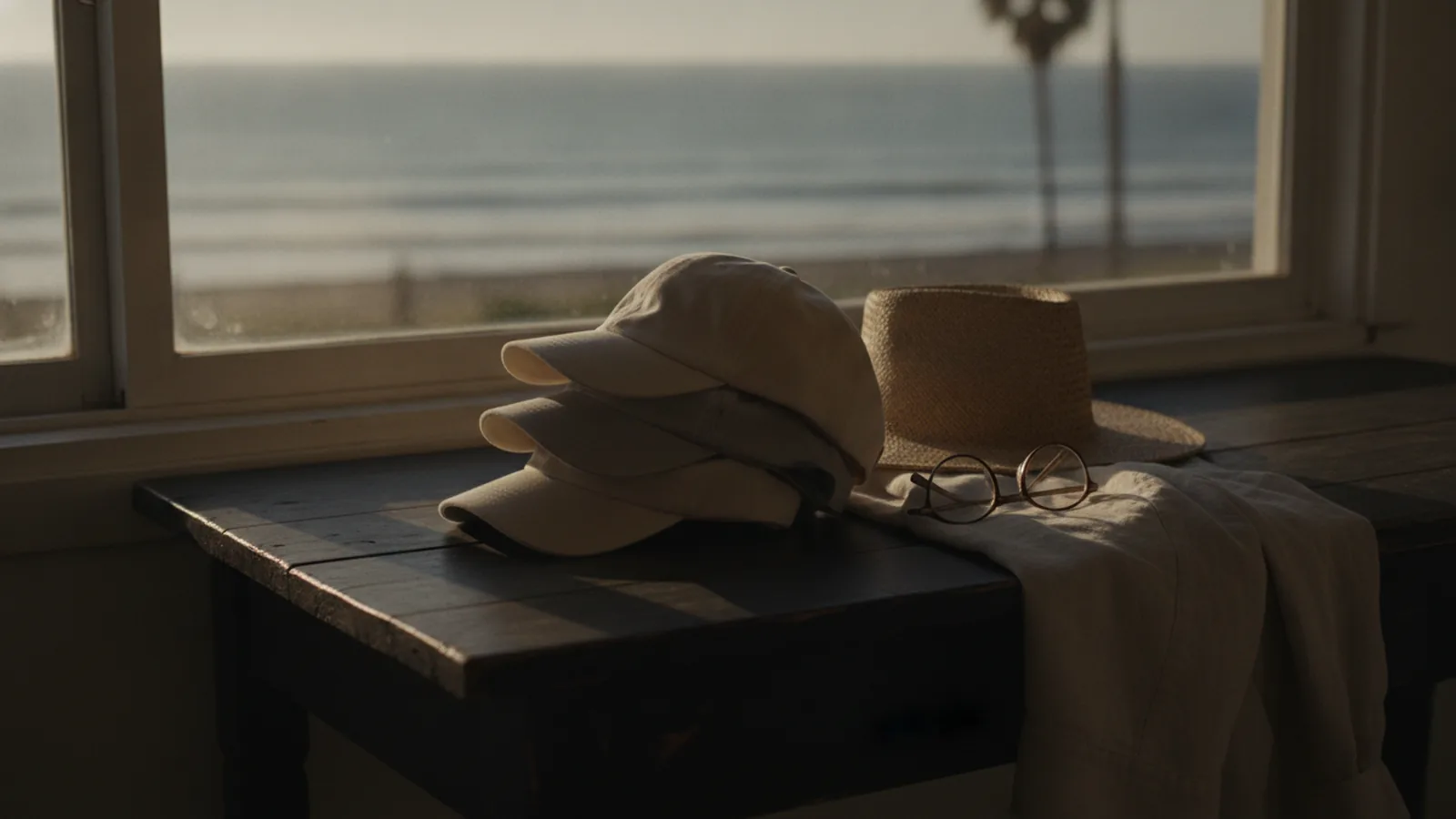
What Brixton Trademark Supply is, in plain terms
Brixton Trademark Supply is an apparel brand rooted in headwear and Southern California culture. If you are trying to understand what is brixton trademark supply, the short answer is this: it is a streetwear-influenced label focused on everyday wear, timeless design, and community connection. The brand name points to its heritage, while the products show its growth from niche headwear into a broader wardrobe.
In the Brixton apparel overview, you will typically see hats, caps, and beanies alongside shirts, hoodies, outerwear, and other essentials. That mix matters because it explains how the brand built recognition. It started with a tight product focus and then expanded without losing its design voice.
When people talk about brixton trademark significance, they often mean more than logos or naming. They mean how a brand identity can become a marker for taste, place, and shared style, especially when it is built through music and subculture.
Origins: Brixton brand history and the founding story
Brixton brand history traces back to 2004, when the brand was founded in Oceanside, California. The early work came from David Stoddard and his partners. Their goal was not to copy established trends. They wanted a look that matched the energy of Southern California, with an emphasis on wearable basics.
At the beginning, Brixton was primarily a headwear brand. Caps and hats fit the local lifestyle and helped the team define a clear visual identity. That headwear-first approach also made it easier to refine materials, fits, and details before broadening the lineup.
Another key piece of the early story is how the company gained momentum. The initial growth was driven by relationships built in prior industry roles. In practical terms, that meant the brand did not start from zero connections when it was ready to scale. Those networks helped it reach retailers and partners faster.

Philosophy and brand identity: music, subculture, and timeless design
Brixton’s identity is shaped by inspiration from music and counter culture. The brand aesthetic pulls from the scenes where fashion acts like a signal. You will notice that in the way designs often balance edge with everyday wearability.
The Southern California lifestyle influence is also clear. The brand grew in a place where coastal life, outdoor energy, and casual street style meet. That background supports a product direction that feels relaxed but intentional.
In conversations about timeless design, Brixton often sits in the middle ground. It is streetwear-influenced, but it is not built only around one season’s hype. Pieces are meant to work together, so you can keep building a wardrobe without starting over.
Finally, community involvement is part of the brand’s self-image. It shows up in how the brand connects with people who live the culture it draws from. That matters because community feedback can guide what feels authentic, not just what looks trendy.
Product offerings: from headwear to full apparel
If you are looking for Brixton product offerings, start with the headwear roots. Hats, caps, and beanies are often the first category people associate with the brand. That foundation shapes how the rest of the collection feels, because the same design logic carries into tops and outerwear.
Once you move beyond headwear, the Brixton trademark supply story becomes easier to see. The brand expanded into a full apparel lineup while keeping a coherent look. The goal is a wardrobe that supports daily wear, not a costume that only fits one event.
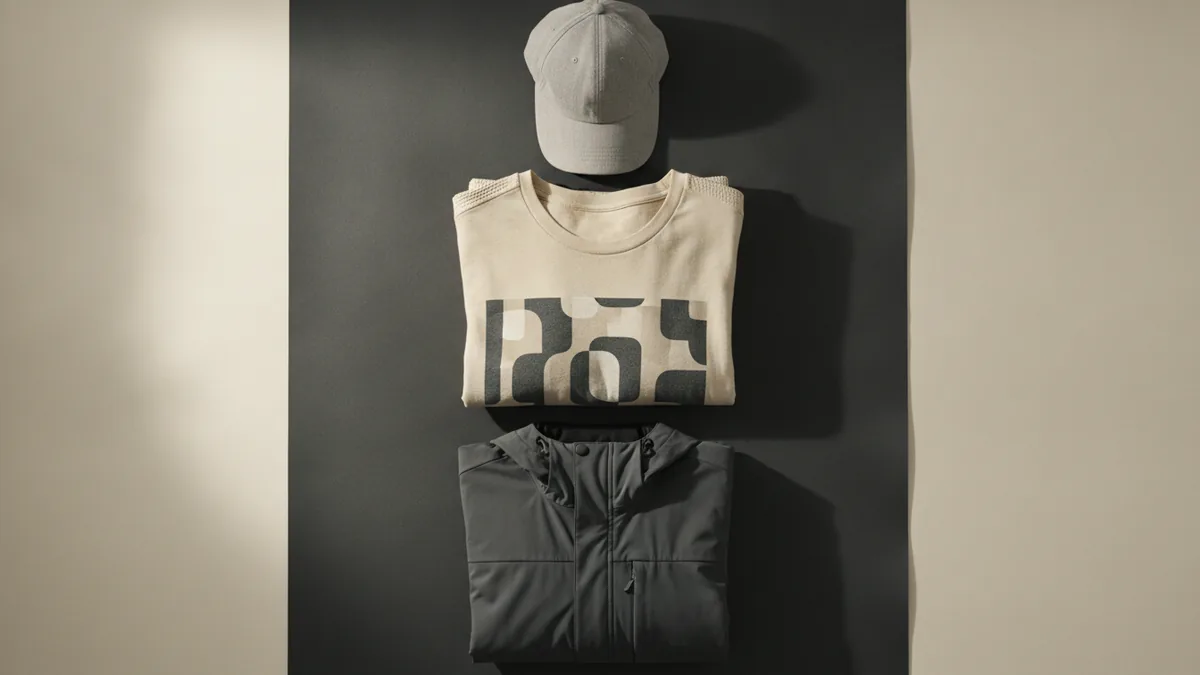
Brixton apparel overview categories you may see include:
- Headwear: caps, hats, and beanies that set the brand’s baseline style
- Graphic and basic tops: tees and shirts that stay easy to mix
- Hoodies and knits: layers designed for regular use, not just winter styling
- Outerwear: jackets and heavier pieces that extend the seasonal range
- Accessories: items that support the outfit instead of overpowering it
It also helps to think about how materials and details work together. For example, a hat that uses sturdy stitching and durable fabric usually pairs well with shirts that can handle regular washing. That type of consistency is one reason the brand feels recognizable in a crowd.
| Category | What it signals about the brand |
|---|---|
| Headwear | Rooted in everyday fit and scene-friendly style |
| Core tops | Built to mix with more than one outfit type |
| Layers | Timeless pieces meant for repeat wear |
| Outerwear | Streetwear influence, made practical |
Target audience and community: who the brand is for
Brixton’s target audience tends to overlap streetwear buyers, music fans, and people who appreciate everyday gear with culture behind it. The brand’s designs often appeal to shoppers who want their clothes to feel lived-in and intentional. That is why the Southern California lifestyle connection matters so much.
In practice, the audience is also defined by how Brixton behaves as a community brand. It is not only about selling items. It is about showing up where the culture is. That can include events, collaborations, and partnerships that keep the brand grounded.
The streetwear influence also has a specific tone. It tends to favor practical silhouettes and wearable graphics over extreme trends. So even if the brand pulls from scenes like skate and surf, its pieces are usually easy to wear beyond that niche.
If you are trying to decide whether Brixton fits your style, look at how the brand’s products stack. If you like building outfits with repeatable basics, Brixton’s range often matches that habit. If you want only one flashy statement piece, the brand may feel more like a wardrobe builder than a one-off.

Growth and expansion: how the brand scaled while staying itself
Brixton’s growth came from a mix of early relationships and a clear design direction. Because it started as headwear, it could focus on refining a signature. As demand rose, expansion into full apparel became a natural step rather than a sudden reinvention.
That matters for understanding the brand’s brixton identity today. When a company changes too fast, it often loses coherence. Brixton’s approach suggests the brand expanded after it had a stable product language and customer fit.
Expansion also works best when the brand knows what to protect. In Brixton’s case, the “what to protect” list usually includes design feel, quality expectations, and the community connection. Those elements help explain why the brand can grow while still looking like the same label customers discovered earlier.
Over time, the company’s distinctiveness helped it stand out in the apparel market. The look is tied to place, scene, and a consistent wearable philosophy. That is what makes trademark branding feel meaningful: it becomes a shorthand for the style people expect when they buy.
Conclusion and future outlook: why Brixton still resonates
So, what should you take away from this what is brixton trademark supply guide? Brixton Trademark Supply is a culture-led apparel brand founded in 2004 in Oceanside, California. It grew from David Stoddard and partners’ vision, starting as headwear before expanding into full apparel. The brand’s inspiration comes from music, counter culture, and the Southern California lifestyle.
Its significance comes from how it pairs streetwear influence with timeless design. Community involvement also supports a feedback loop that helps the brand stay relevant. Instead of chasing every new trend, Brixton aims to build a wardrobe customers can keep wearing.
Looking ahead, the strongest sign of staying power is consistency. When a brand maintains its identity while improving its range, it earns trust. Brixton’s history suggests it is focused on that balance, and that is why it continues to draw attention in the apparel market.
Frequently asked questions
- What is Brixton Trademark Supply?
- Brixton Trademark Supply is a clothing brand that started with headwear and expanded into full apparel. It is known for a streetwear-influenced look and a culture-led identity.
- When was Brixton Trademark Supply founded and where?
- The brand was founded in 2004 in Oceanside, California. That location and era shaped its Southern California style direction.
- Did Brixton start as headwear or full apparel?
- Brixton began as a headwear brand. It later expanded into shirts, hoodies, and outerwear while keeping a consistent design feel.
- What influences Brixton designs?
- Brixton draws inspiration from music, subculture, and the Southern California lifestyle. It also emphasizes timeless pieces that work for daily wear.
- What products does Brixton offer today?
- Brixton product offerings commonly include caps and beanies, plus tops, hoodies, and outerwear. Accessories also appear to round out outfits.
- Why does Brixton trademark significance matter to shoppers?
- For many buyers, the name signals a consistent style and community connection, not just branding. It sets expectations for the look and feel of the products.
Related reading

Murdaugh Law Firm: Its Status and Future
PMPED lives on as Parker Law Group, despite the damage caused by Alex Murdaugh's crimes.
Vascular Compliance: How Blood Vessels Handle Pressure
Learn how vessel stretch affects pressure, blood flow, and vascular health.

Ventricular Compliance: Heart Filling, Pressure, and Disease
Learn how ventricular compliance affects heart filling, pressure, and disease.