Environmental Compliance: Laws, Permits, and Practical Duties
Understand environmental compliance, permits, regulators, records, and penalties.

What Is Environmental Compliance?
Environmental compliance means following environmental laws, rules, permits, and approvals. It applies to businesses, public bodies, projects, and site operators.
In plain terms, it answers a simple question. Does an activity meet the environmental duties that apply to it? The answer may depend on air releases, water use, waste, land use, noise, or hazardous materials.
The meaning of environmental compliance changes by place and industry. A factory may need an air permit. A builder may need approval before clearing land. A farm may need rules for water use and chemical storage.
There is no single certificate that proves full compliance for every operation. Compliance rests on the right approvals, safe work methods, checks, and records.
Why Environmental Compliance Matters
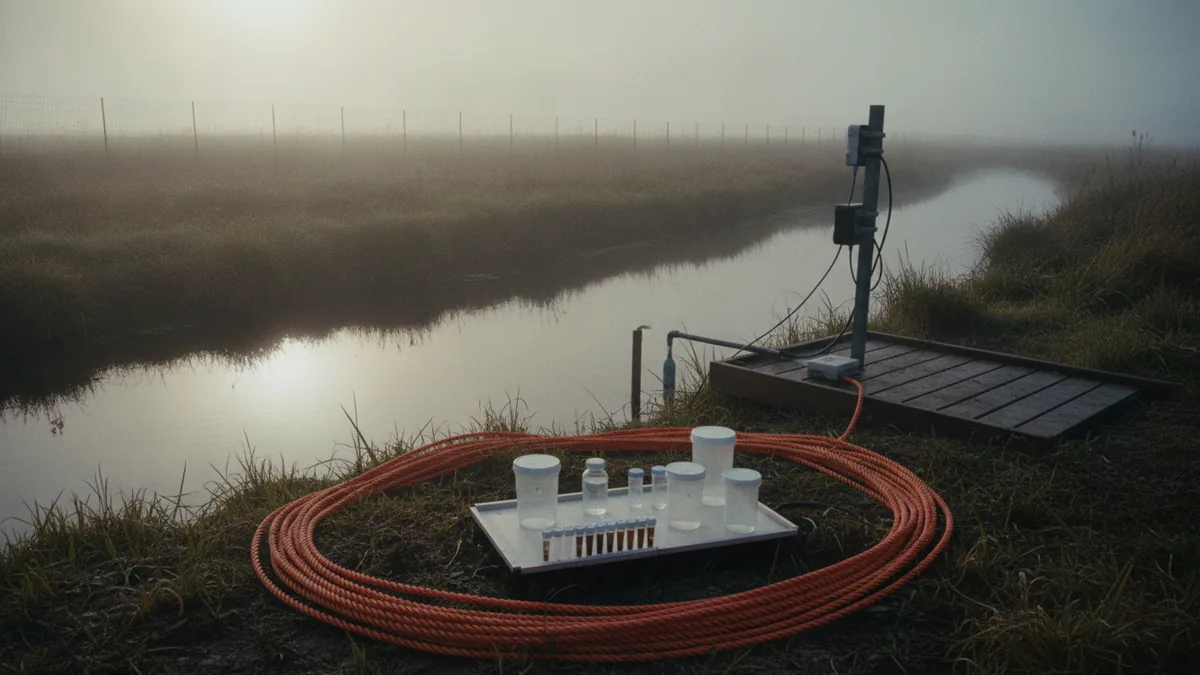
Environmental rules protect people, land, water, air, and wildlife. They also set limits on risks that can spread beyond one site. A spill, leak, or smoke plume can harm nearby homes and natural areas.
Good compliance also supports steady operations. Clear duties help teams spot faults before they cause a shutdown. Strong controls can cut waste, lower clean-up costs, and reduce lost work time.
Trust is another key benefit. Customers, workers, lenders, regulators, and local groups want proof of responsible conduct. A clear record can support that trust during audits, tenders, and permit reviews.
- It lowers the risk of harm and costly clean-up work
- It helps sites keep permits and avoid work stoppages
- It supports sound business ethics and care for the local area
- It gives stakeholders clear proof of responsible action
Which Bodies Oversee Environmental Compliance?
The regulator depends on the country, state, territory, and type of activity. In the United States, the Environmental Protection Agency, or EPA, sets and enforces many federal rules. State environmental agencies often issue permits and inspect sites.
Some duties sit with other public bodies. Local councils may control waste, planning, noise, or sewer links. A workplace safety body may oversee chemical storage or worker exposure. A water authority may control water takes and discharge points.
The EPA’s laws and regulations resource shows how federal rules cover areas such as air, water, waste, and chemicals. In Australia, duties may fall to state and territory environment agencies, councils, and federal bodies.
Ask these questions before work starts:
- Which agency grants the main permit?
- Which local rules affect the site?
- Which agency receives reports or incident notices?
- Do planning, water, heritage, or safety approvals also apply?
The Main Areas of Environmental Compliance
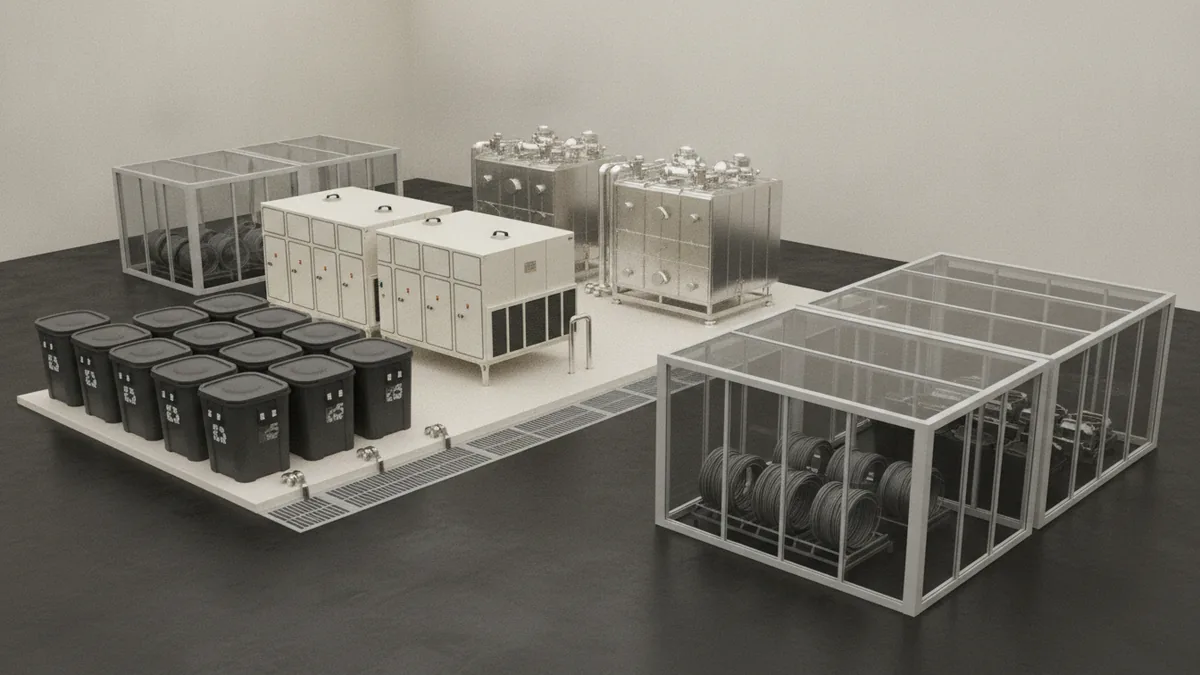
Air quality rules control pollutants released from stacks, vents, vehicles, and fuel systems. A permit may set limits for dust, smoke, gases, or fine particles. Operators may need tests, filters, alarms, and set check times.
Water protection covers both water use and water discharge. Rules may limit the release of oil, waste water, chemicals, heat, or sediment. Sites may need sampling points and set limits for each pollutant.
Waste management covers storage, transport, treatment, reuse, and disposal. Hazardous waste needs special care. Containers should suit the waste, carry clear labels, and stay within secure areas.
Emissions controls can cover gases that cause climate or local air harm. A site may need to track fuel use, leaks, waste gas, or energy use. Land protection may also cover spills, soil harm, and groundwater risks.
| Area | Typical control | Proof to keep |
|---|---|---|
| Air | Filters and release limits | Test results and service logs |
| Water | Sampling and discharge limits | Lab results and permit reports |
| Waste | Safe storage and approved disposal | Transfer notes and waste logs |
| Land | Spill plans and soil checks | Incident reports and site records |
How Organisations Achieve Compliance
Start with a legal register. List each law, permit, approval, limit, due date, and named owner. Review the list when the site, process, fuel, or law changes.
Next, map the work that can affect the environment. Mark release points, drains, storage areas, waste routes, and nearby sensitive places. This review can also show where an environmental impact assessment is needed.
Obtain permits before the activity begins. Read each permit line by line. Note limits, sampling rules, report dates, inspection rights, and incident duties. Never treat a permit as a one-time task.
Build an environmental management plan for daily work. Give each control to a named person. Train staff on spills, waste, plant checks, and reporting. Communication matters because a rule hidden in one office cannot guide work on site.
Keep records that show what happened. Useful records include:
- Current permits and approval letters
- Air, water, soil, and noise test results
- Waste transfer notes and disposal receipts
- Training logs, inspection sheets, and repair records
- Complaints, spills, near misses, and corrective actions
Run checks at set times, then fix gaps fast. A simple audit trail should show the issue, owner, fix, due date, and close date. Senior leaders should review trends, not just single failures.
What Happens After Non-Compliance?

Non-compliance can bring a warning, notice, fine, or formal order. Serious cases may lead to prosecution, permit loss, clean-up costs, or a work stoppage. The result depends on the rule, harm, intent, history, and speed of the response.
Financial harm can reach beyond a fine. A spill may damage equipment, delay production, and raise insurance costs. The organisation may also face claims from landowners, neighbours, workers, or customers.
Reputation can suffer for years. Public reports, court action, and poor audit results can weaken trust. Clear action after a breach can limit harm, but silence often makes the issue worse.
If a breach occurs, protect people and stop the source first. Then notify the right agency when the law requires it. Preserve records, investigate the cause, fix the control, and check that the fix works.
The Future of Environmental Compliance
Environmental compliance is moving from paper checks to live data. Sensors can track air, water, energy, and leaks at short time gaps. These tools can warn teams before a limit is breached.
Regulators also expect better proof of performance. A permit may require more data, faster reports, or wider public access. Supply chains may ask for the same proof from contractors and suppliers.
New tools do not replace accountability. Someone must set limits, check data, review alerts, and act on faults. Data is useful only when it leads to a clear decision.
The strongest approach joins law, operations, and leadership. Set clear duties, train teams, test controls, and keep honest records. That turns compliance from a last-minute audit task into part of sound site management.
A Practical Compliance Checklist
Use this short check before starting a new activity or reviewing an existing site. Match each answer to the rules in your country and region. Seek legal advice when the duty or risk is unclear.
- List the laws, permits, approvals, and agencies that apply
- Map air, water, waste, land, and emissions risks
- Assign each control to a named and trained owner
- Set check dates, limits, reports, and record storage rules
- Test controls and review results with senior leaders
- Report breaches, fix root causes, and verify each fix
This process gives an organisation a defensible record of care. It also helps teams act early, before a small fault becomes a major breach.
Frequently asked questions
- What is environmental compliance?
- Environmental compliance means following the environmental laws, rules, permits, and approvals that apply to an activity or site.
- Which organisation oversees environmental compliance?
- The EPA oversees many federal environmental rules in the United States. State and local agencies often issue permits, inspect sites, and enforce added rules.
- What are the main areas of environmental compliance?
- Core areas include air quality, water protection, waste management, emissions control, and land protection. The exact duties depend on the site and its activities.
- What organisation certifies equipment for environmental compliance?
- No single organisation certifies all equipment for environmental compliance. The needed approval depends on the equipment, industry, country, and permit rules.
- How does a business achieve environmental compliance?
- Start by listing the laws and permits that apply. Then obtain approvals, set controls, train staff, check results, and keep records as proof.
- What are the consequences of environmental non-compliance?
- Possible results include notices, fines, penalties, clean-up costs, permit loss, prosecution, and work stoppages. Reputational damage can also affect future business.
Related reading

How Much Does a Lawn Care Business Make
See the income, costs, risks, and growth paths behind lawn care businesses.

Offer and Acceptance in Business Law
Understand offers, acceptance, key terms, and contract formation.

Payment Orchestration in Europe: Legal and Vendor Due-Diligence Questions
A practical legal checklist for European fintech teams adding payment orchestration, routing vendors, PSPs or acquirers to their payment stack.