How Hard Is It to Trademark a Name? Process, Challenges, and Costs
Trademarking a name can be complex. Here’s what to expect, step-by-step, and where problems happen.

Understanding trademarks
A trademark is how the law protects a brand identity in the marketplace. It helps people tell one business’s goods or services apart from another’s.
Most trademark problems start with misunderstanding what a trademark covers. A trademark can be a word, logo, or other identifier used in trade. It is not the same thing as a domain name or a business name filing.
It also differs from copyright. Copyright protects creative works like text, artwork, and music. Trademark law focuses on brand signals that indicate source.
Before asking how to trademark a name, it helps to picture the goal. You want exclusive rights to use a mark for specific goods or services, in a way that avoids confusion for customers.
Benefits of trademarking
Trademark registration gives legal benefits that help you enforce your brand. If someone else uses a confusingly similar mark, you may have stronger arguments to stop them.
A registered trademark also signals credibility. For customers, consistent branding reduces risk when choosing products or services.
Registration can also support licensing and partnerships. If your brand grows, you can sell products, charge for services, or grant permission under clear terms.
In some places, registration can even help block later filings. But this only works if you get the process right the first time.
Challenges in trademarking
So, how hard is it to trademark a name in practice? It is often harder than people expect. The trademark registration process is not just paperwork. It requires careful research, clear identification of services, and ongoing attention to legal responses.
One major difficulty is distinctiveness. Marks that are too descriptive, too generic, or simply weak may not get approved. This creates one of the biggest trademark process difficulties for first-time applicants.
Another difficulty is conflict risk. You must research existing trademarks to avoid conflicts. If you skip a thorough trademark search, you can face refusal or costly rework later.
Finally, the process can involve office actions. If the trademark office asks questions or raises issues, you must respond correctly and on time. Neglecting to respond is a common failure point.
- Distinctiveness hurdles: weak marks may be refused.
- Conflict risk: similar marks can trigger objections.
- Response duties: you may need to reply to office actions.
- Classification work: choosing trademark classes can be tricky.
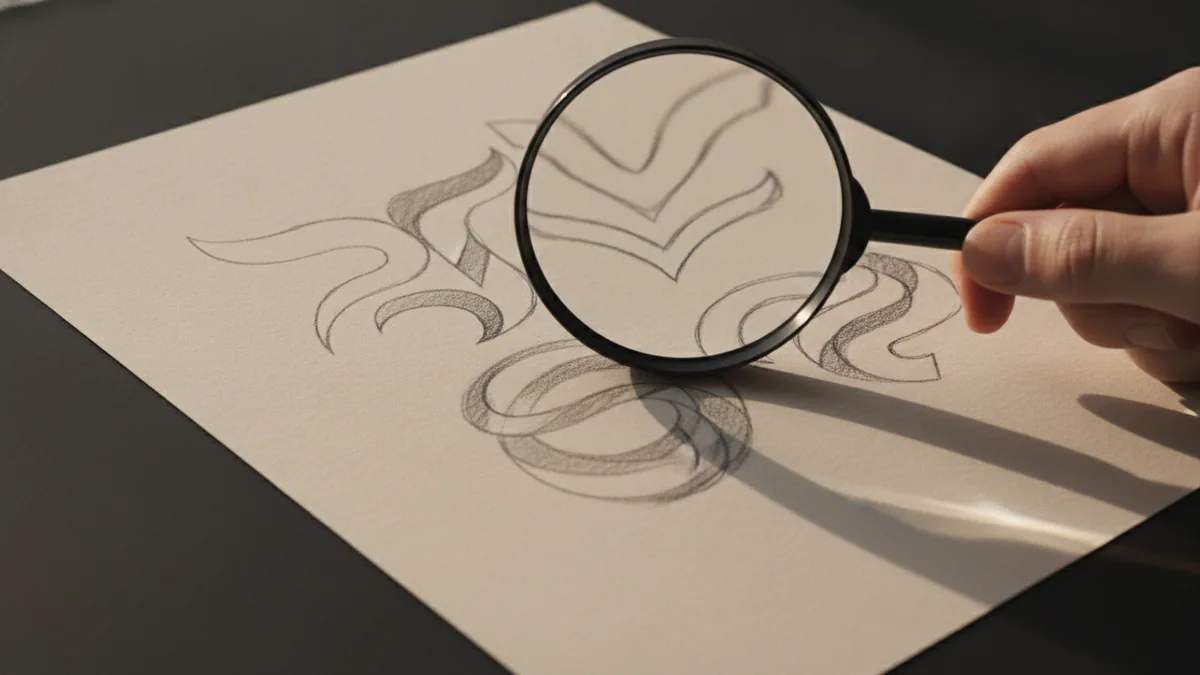
Step-by-step trademark process
The steps below show the usual flow. They also explain where “how hard is it to get a trademark” often becomes “how hard is it to get it approved.” Each step needs accurate facts and clear decisions.
1) Define what you use the mark for. Start with your goods or services. Trademark classes group similar offerings, and your chosen class drives what rights you can get.
2) Do a trademark search. Search for identical and similar marks. Look for both registered marks and common law trademark usage. Common law trademark rights can matter even if nothing is registered.
3) Check your mark’s strength. Assess whether the name is merely descriptive or whether it functions as an indicator of source. Stronger marks tend to face fewer refusals.
4) Prepare the application. You must describe the mark precisely and identify the correct trademark classes. In many systems, minor errors can slow review or trigger requests for changes.
5) File and track examination. After filing, your application is examined. If there are objections, you receive an office action with specific grounds.
6) Respond to office actions. You may need arguments, evidence, or wording amendments. Timelines are strict. This is one of the core challenges of trademark registration.
7) Publication and opposition. Many jurisdictions publish marks before final registration. Others may oppose your application within a deadline.
8) Registration and maintenance. Once registered, you keep it alive by meeting renewal and use requirements. Some trademarks are lost when marks are not used consistently.
- Define goods and services for the application.
- Run a trademark search for conflicts.
- Assess distinctiveness and mark strength.
- Choose trademark classes carefully.
- Respond to office actions on time.
- Manage publication and any opposition.
- Maintain the registration through renewals.

Common mistakes to avoid
Many people ask how hard is it to trademark something, then learn the real issue is avoiding preventable errors. The biggest mistakes usually fall into a few repeat categories.
Inaccurate applications are a top problem. Applicants sometimes misstate the mark, the owner, or the goods and services. If the description does not match how you actually sell, you can create avoidable grounds for refusal.
Picking the wrong classes can also limit protection. Trademark classes are not a guess. You should align classes with your current offerings and credible future plans.
Skipping the response to an office action is another classic pitfall. Even if you disagree with the examiner, you usually need to respond. Silence can end the application.
Assuming registration is automatic is also risky. A trademark application can be refused for multiple reasons. You may need amendments or supporting evidence.
- Using a mark that is too descriptive for your goods or services.
- Filing without a real trademark search for similar marks.
- Choosing overly broad descriptions that do not match actual use.
- Missing office action deadlines or failing to respond.
- Ignoring common law trademark use by competitors.
If you want a practical rule, think like the examiner. Each step should help the office conclude you have a valid, distinctive mark and a low risk of confusion.
Trademarking in different jurisdictions
Trademark laws vary significantly by country. That is why “how hard is the wv business and law exam, business, china, exam, get, hard, how, law, name, something, trademark, wv” style questions often miss the point. Trademark practice is not one global procedure.
For example, the process in China vs. the U.S. can feel very different. Filing systems, evidence standards, examination practices, and opposition procedures may not align. You often cannot copy one country’s strategy without adapting it.
Some systems can be filing-based, where you secure rights by filing in the right classes. Others depend more on use. This affects how you approach your plan, especially when you are building a new brand.
International trademark law can help with filing across borders, but it still requires correct national choices. Many businesses use a two-step approach: a local filing for near-term protection, then an expanded international filing plan once they confirm their branding strategy.
In the U.S., for instance, applications may involve procedures tied to use or intent to use. The USPTO can issue office actions that require targeted responses.
Below is a quick comparison to show why trademark process difficulties differ across countries.
| Country system | What to watch | Typical challenge |
|---|---|---|
| United States | Application basis and evidence | Office actions that require legal arguments |
| China | Exam review and filing strategy | Surprises in how conflicts are assessed |
| General cross-border | Rights depend on correct classes and local rules | Consistency across jurisdictions |
If you plan to expand, treat jurisdiction differences as part of the budget. Time and legal help can be needed to avoid bad filings in each market.
FAQs about trademarking a name
How hard is it to trademark a name?
It is usually medium to hard for first-time applicants. Research, correct classification, and office action responses drive the difficulty. Expect delays if your goods and services are unclear.
How hard is it to trademark something compared to just registering a business name?
Trademark registration focuses on brand identity in the marketplace. Business name protection depends on corporate rules and may not stop trademark-style confusion. That means trademark rights are often harder to obtain and more specific.
What does the trademark search actually involve?
A proper search compares your mark with similar marks in relevant classes. It also considers common law trademark usage where relevant. The goal is to estimate refusal risk before you file.
Why do applications get refused even when the name is “new”?
“New to you” does not mean new legally. Another party may already use a similar mark, or your mark may be considered descriptive. Examiners also weigh confusion risks within specific goods or services.
How hard is it to get a trademark in China?
It can be hard because procedures and examination priorities differ from the U.S. You may need to adapt your filing strategy and evidence. Conflicts and class descriptions can also create unexpected refusals.
Do I need to respond to an office action?
In most cases, yes. Office actions give deadlines and specific objections. If you do not respond, your application can be refused.
Frequently asked questions
- How hard is it to trademark a name?
- It is often medium to hard because you must research conflicts, pick the right classes, and handle legal review. Many delays happen after exam objections or incorrect goods descriptions.
- What are the main challenges of trademark registration?
- The biggest challenges are distinctiveness, conflict risk, and responding to office actions. Classification choices can also limit or weaken what protection you receive.
- How do I trademark a name step by step?
- Define your goods or services, run a trademark search, assess distinctiveness, then file an application with correct classes. Track examination and respond to office actions, then manage any opposition.
- What common mistakes stop trademark applications?
- Typical mistakes include inaccurate applications, wrong class selection, and not responding to office actions. Skipping common law trademark checks can also create hidden conflict risk.
- How hard is it to get a trademark in China compared with the U.S.?
- It can feel harder because examination and filing priorities differ. You usually need local strategy and correct class choices to avoid refusals.
- Is a trademark the same as copyright or a business name?
- No. Copyright protects creative works, while trademarks protect brand identifiers used in trade. Business name registration does not always stop trademark-style confusion.
Related reading

What Is WTP Trademark Publication? Purpose, Steps, and Impact
Understand WTP trademark publication, the public notice step, and how the 30-day opposition period works.
What the TM Trademark Symbol Means (TM vs ® vs ℠)
TM shows unregistered rights. ® is for registered marks. Learn the difference and the risks.

Murdaugh Law Firm: Its Status and Future
PMPED lives on as Parker Law Group, despite the damage caused by Alex Murdaugh's crimes.