What Is WORM Compliance? Requirements, Rules, and Use Cases
Understand what WORM compliance is, plus key rules for finance and healthcare data.
What is WORM compliance?
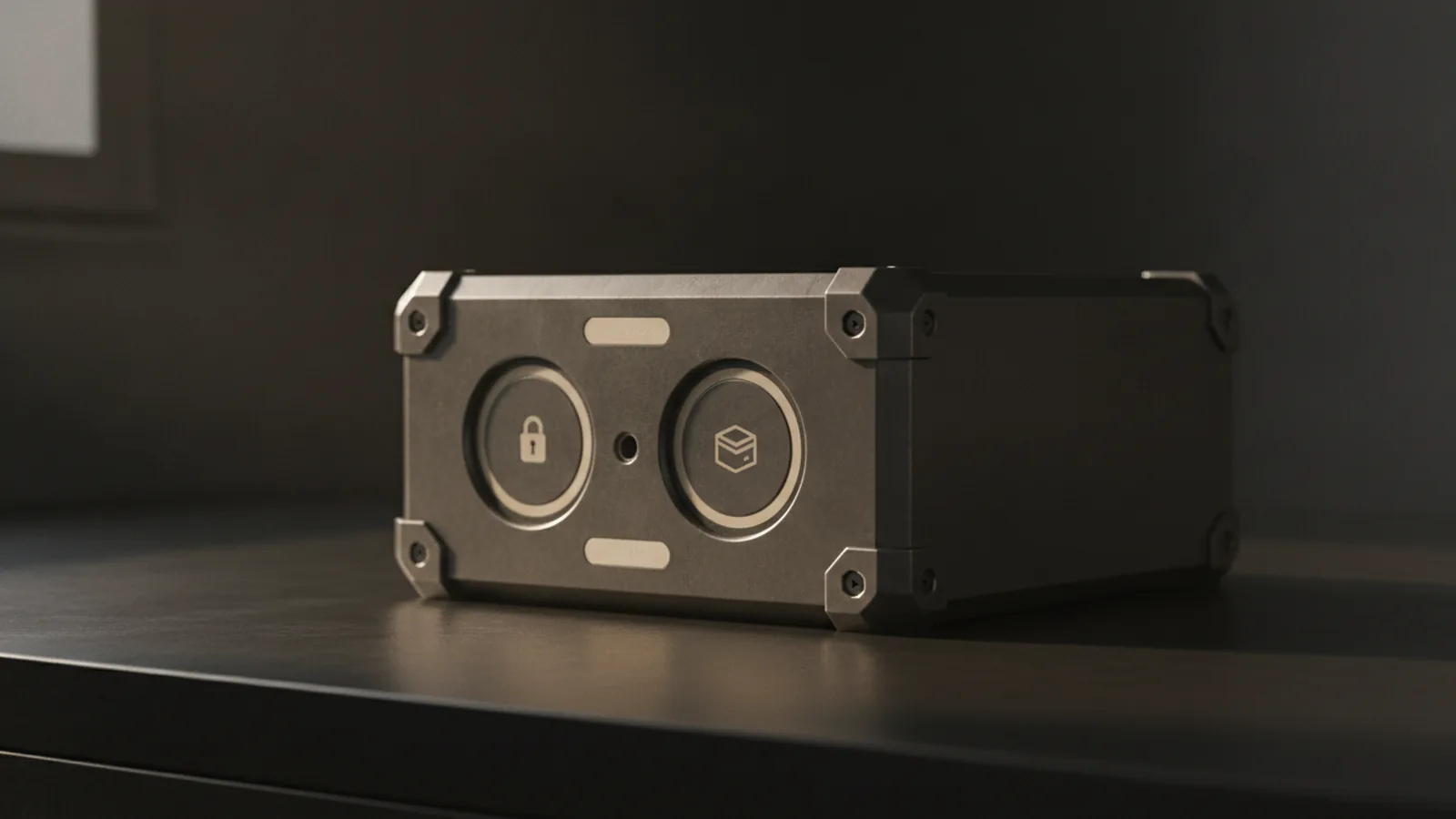
WORM compliance is a way to store data so it cannot be changed after writing. WORM means Write Once, Read Many. You can add new records. You cannot edit old ones.
This supports immutable data storage, which means stored data stays the same. It helps with regulatory compliance when regulators need the original record. You rely less on “trust us” promises. You rely on the storage rules.
So what is worm compliance? It is proof-ready record storage. It keeps your “as written” copy as your “as shown” copy later. That is the core goal.

Why WORM compliance is important
WORM compliance helps keep data intact over time. That is data integrity. It means your history does not shift after the fact. A record stays what it was.
It also makes tampering harder. If someone tries to change a record later, the storage should block it. That reduces insider risk. It also limits damage from mistakes.
Many teams also need audit trails. An audit trail shows write time, access, and removal events. It helps during reviews and disputes. It also helps with internal checks.
In financial services compliance, history matters in investigations. In healthcare, history matters for care and safety. If old notes change, harm can follow.

WORM storage requirements you should understand
WORM storage must prevent changes after a write. That means no normal edits and no deletes during the keep period. If a system allows updates later, it fails the idea of WORM. That is the baseline test.
Next, the system should support a clear keep plan. This is data retention. Your plan sets how long records stay under WORM rules. After that time, only set actions should remove data.
Access also matters. Authorized users must find and read records fast. They should not hunt across messy copies. They should pull a record with clear results.
Look for these WORM requirements in your plan:
- Write once for each stored record.
- No edit or no delete during retention.
- Retention control for the required keep window.
- Audit trail for writes, reads, and deletes.
- Easy retrieval for allowed users and review work.
Finally, test the full life cycle. Write in a test setup. Read it after time passes. Then check the delete step at the right point. Do this before you bet your case on it.
Industries that require WORM compliance
Financial services often need WORM-like record controls. They handle sensitive records that can be needed later. If history is wrong, reports and checks break. That can create real legal risk.
Healthcare also needs strong record controls. Teams store care notes, test results, and other health data. If these records change after care, patient risk grows. That is why healthcare data compliance is strict.
Regulators often name rules that point to these goals. They want records to stay put. They also want access and proof. WORM is one way to meet those goals.
Here are common WORM links in regulation:
| Regulatory reference | What it relates to |
|---|---|
| SEC Rule 17a-4 | Broker-dealer record keeping |
| FINRA Rule 4511 | Rules for electronic records |
| HIPAA | Health data protection and record rules |
Your exact duty depends on your role. Yet many firms use WORM storage to meet the same core need. Keep history safe. Keep proof ready.
Best practices for achieving WORM compliance
Start with a data map. List what records you create and where they flow. Then find where edits could happen. This lets you place WORM where it matters.
Next, define who can read what. Keep access tight and role-based. This reduces surprise during audits. It also lowers the chance of bad pulls.
Then focus on proof. Your system should log key events in an audit trail. Your team should save that proof in a safe place too. When asked, you must show what happened.
Also test your setup under real work. Run common tasks like upload and read. Then simulate long retention. This checks that your WORM storage stays stable. It also checks that retrieval stays fast.
Use this work plan to build a strong setup:
- Classify records by keep time and WORM need.
- Lock write paths so records commit once.
- Enable audit trails for writes, reads, and deletes.
- Set role access for retrieval and review.
- Run tests for retrieval and retention steps.
Because data integrity is paramount, mistakes can cost a lot. If history is lost or changed, the result can be legal trouble. It can also damage trust with clients. So build for proof from day one.
FAQs about WORM compliance
What is worm compliance in plain language?
WORM compliance means records cannot be changed after they are written. It helps keep proof ready for audits and reviews.
Is WORM storage the same as WORM compliance?
No. WORM storage enforces the “no change” rule. WORM compliance also needs access rules, keep rules, and proof logs.
Which rules are linked to WORM requirements?
SEC Rule 17a-4 and FINRA Rule 4511 are common in finance. HIPAA is common for health data. Your duty depends on your role.
What does immutability mean in practice?
Immutability means you cannot alter or delete records during the keep time. Authorized users can still read records when needed.
Do WORM systems provide audit trails?
Good WORM setups do. They track write, read, and delete events. That trail helps with reviews and disputes.
How does WORM affect data retention?
It shapes how long records must stay. It also sets what actions you can take during that time. After keep time ends, set steps can remove data.
Frequently asked questions
- What is worm compliance in plain language?
- WORM compliance is a way to store data so it can’t be changed after writing. It keeps records useful for audits and reviews.
- What is WORM storage used for?
- WORM storage keeps historical records intact for a set keep time. It prevents edits and supports records you can rely on later.
- Which regulations are commonly tied to WORM requirements?
- SEC Rule 17a-4 and FINRA Rule 4511 are common in finance. HIPAA is common for healthcare records and health data.
- Do WORM solutions provide audit trails?
- Yes, good WORM setups log writes and reads. They also log removal events so you can prove what happened.
- How do you know a system meets WORM requirements?
- Check that it blocks edits and deletes during retention. Also confirm that authorized users can retrieve records and that logs exist.
- Why is data integrity so important for WORM compliance?
- Changed or lost history can break trust and create legal risk. WORM helps keep the historical record exact.
Related reading

Murdaugh Law Firm: Its Status and Future
PMPED lives on as Parker Law Group, despite the damage caused by Alex Murdaugh's crimes.
Vascular Compliance: How Blood Vessels Handle Pressure
Learn how vessel stretch affects pressure, blood flow, and vascular health.
Ventricular Compliance: Heart Filling, Pressure, and Disease
Learn how ventricular compliance affects heart filling, pressure, and disease.