What Is Venous Compliance? Definition, Mechanics, and Importance
Venous compliance lets veins store blood with small pressure shifts—crucial for cardiac preload.

Venous compliance definition: what it means
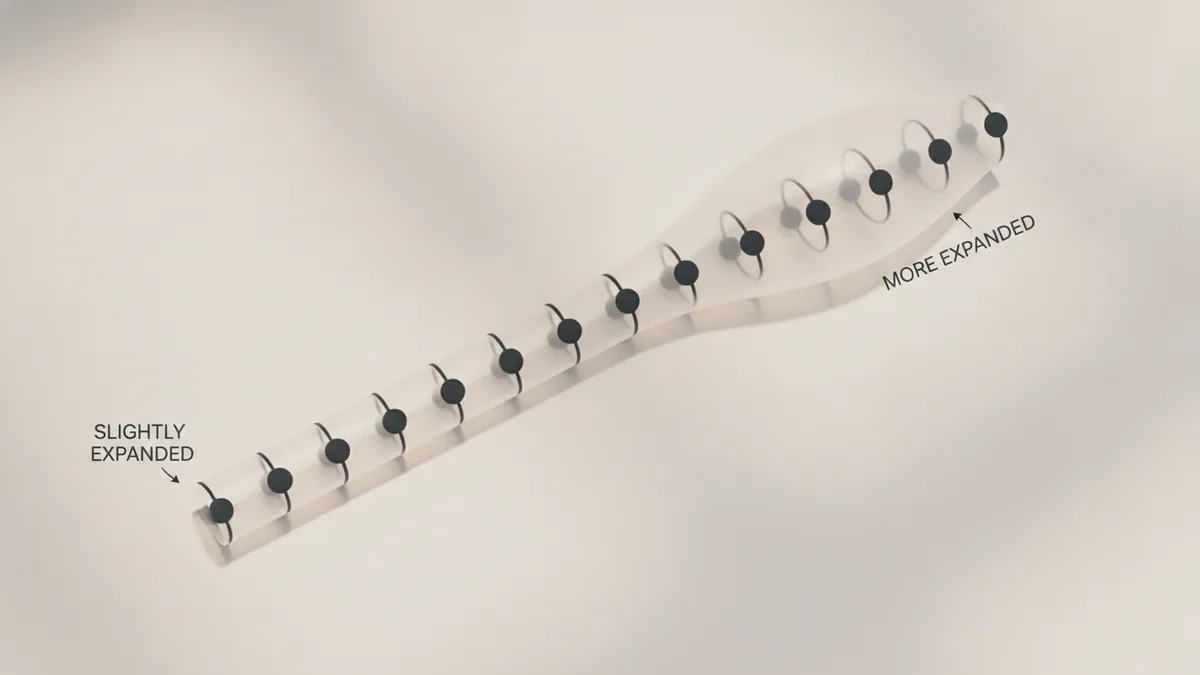
What is venous compliance? It is how well veins take on more blood. Pressure should rise only a little.
This matters for blood pressure dynamics across normal daily changes. It also helps during fast body shifts, like standing up.
A venous compliance definition uses a clear math idea. Compliance (C) is the change in volume (ΔV) over the change in pressure (ΔP). So, C = ΔV/ΔP.
When C is high, volume can grow with less pressure change. That is the key concept behind veins and compliance.
- High compliance means small pressure rise for added volume.
- Low compliance means bigger pressure rise for the same volume.
How vessel compliance works: mechanics inside the wall
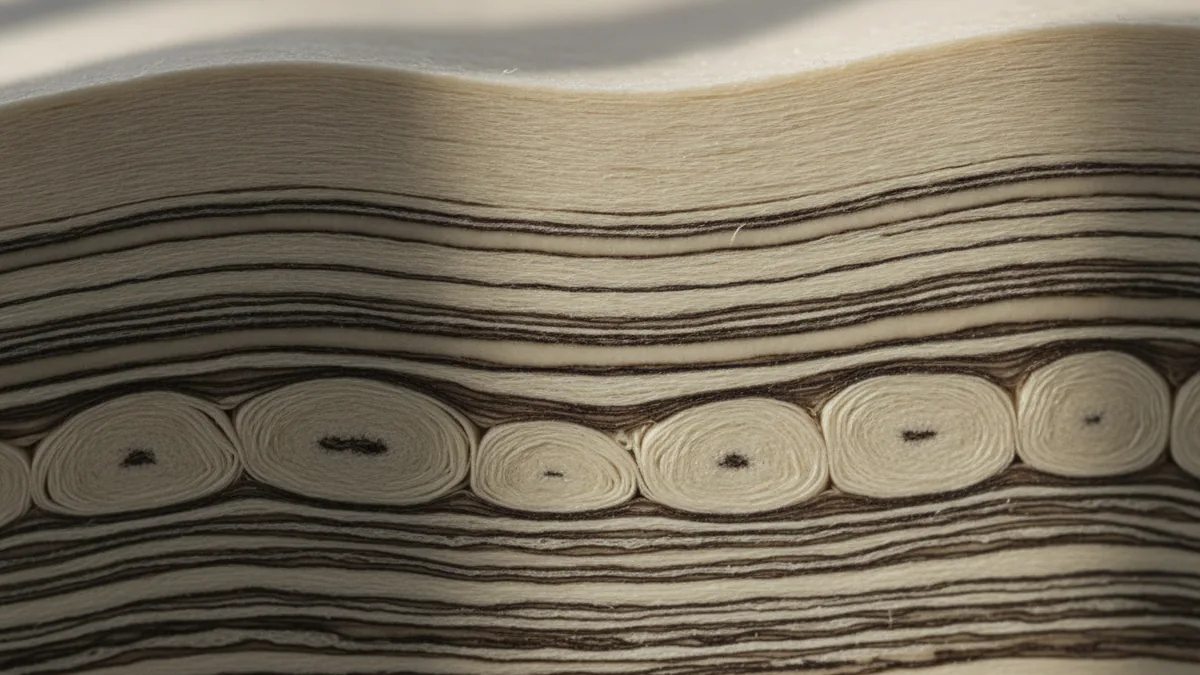
Veins expand when inside pressure goes up. This expansion adds volume inside the same vessel.
The wall feels a force from outside and inside. That force uses transmural pressure, which is pressure across the wall.
To understand veins and compliance, picture a layered wall. Collagen acts like strong rope. Elastin acts like springy bands.
Smooth muscle helps steer stiffness. It can tighten or relax, which changes how much the wall can stretch. Vascular tone is that muscle “on or off” state.
There is also stress relaxation. If pressure stays steady, the wall can slowly yield. So, the response can look different over time.
- Pressure rises and boosts transmural pressure.
- The wall stretches and volume increases.
- Smooth muscle tone adjusts stiffness.
- With time, stress relaxation can change the response.
Venous vs arterial compliance: why veins are “bigger buffers”
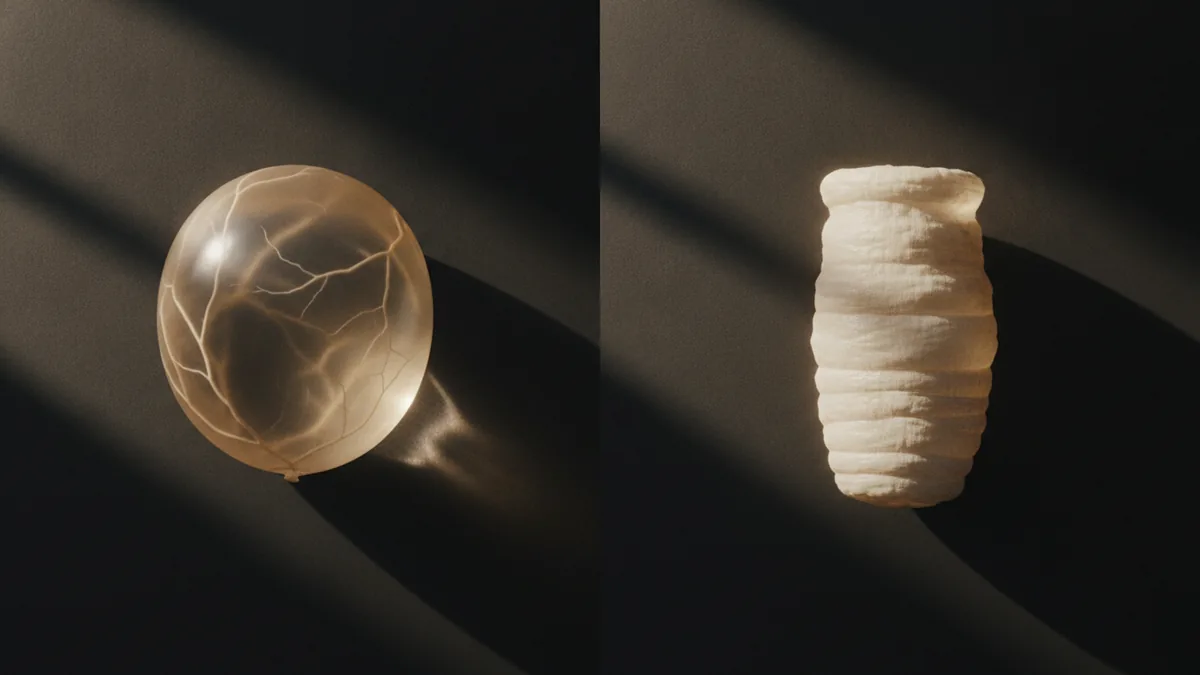
Veins are much more compliant than arteries. This is seen most at low pressure levels.
At about 10–15 mmHg, veins can store more blood with small pressure rise. Arteries do not behave that way in the same range.
Veins are built to act as a blood reservoir. They smooth out changes in return to the heart. That role depends on their high compliance.
Vein compliance also depends on pressure. As pressure rises, veins stiffen. Then the same volume shift causes bigger pressure change.
| Feature | Veins | Arteries |
|---|---|---|
| Compliance | Higher, especially at low pressure | Lower, less stretch |
| Main job | Store and buffer blood | Send blood with pulse waves |
| Pressure trend | Compliance falls at higher pressure | Stiffness limits stretch across ranges |
What changes venous compliance: wall makeup, tone, and pressure
Venous compliance is not one fixed number. It changes with wall makeup and muscle tone.
Wall makeup drives the baseline. Collagen resists stretch and adds stiffness. Elastin supports quick stretch and recoil.
Smooth muscle is the active part. Contraction raises stiffness and lowers compliance. Relaxation makes the wall stretch more, so compliance rises.
Pressure level also shifts compliance. At higher pressure, the wall reaches a stiffer part of its shape. So, C = ΔV/ΔP becomes smaller.
Age can add extra stiffness too. Age-related compliance changes can make veins less able to hold blood at low pressure. Then pressure rises sooner when volume shifts.
- Wall structure sets the base stretch ability.
- Vascular tone changes stiffness fast.
- Pressure level changes the compliance zone.
- Stress relaxation changes time response.
- Age can reduce stretch at baseline.
Why venous compliance matters clinically: preload, pressure control, and function
The importance of venous compliance comes from how it shapes venous pressure. It also shapes cardiac preload.
Cardiac preload is the stretch of heart muscle before it pumps. That stretch depends on how much blood returns to the heart.
When venous compliance is high, veins can take more blood. Pressure does not jump much in that case. Return to the heart stays steadier.
When venous compliance falls, veins stiffen. Then the same added blood volume raises venous pressure more. That shift can make cardiac filling less smooth.
This link can affect overall cardiac function. It can also change how the body handles blood pressure dynamics during posture shifts.
Dynamic compliance also matters. The vessel can show different behavior at different time scales. Fast volume shifts can look less compliant than slow shifts.
Bottom line: compliance helps set preload by shaping the pressure-volume link.
- High compliance buffers pressure changes during shifts in return.
- Low compliance raises pressure for the same volume change.
- These shifts can change preload and heart output patterns.
Frequently asked questions
- What is venous compliance in simple terms?
- Venous compliance is how easily veins can expand to hold extra blood. It means pressure rises less when blood volume increases.
- How is venous compliance calculated?
- It is usually expressed as C = ΔV/ΔP. That means the change in volume divided by the change in pressure.
- Why is venous compliance higher than arterial compliance?
- Veins are built to act as a blood reservoir. At low pressures, their walls expand more, so pressure changes are smaller.
- Does venous compliance stay constant across pressures?
- No. Veins become stiffer as pressure rises, so compliance decreases at higher pressures.
- How does smooth muscle tone affect veins and compliance?
- Smooth muscle contraction increases stiffness and lowers compliance. Smooth muscle relaxation increases compliance by allowing greater stretch.
- Why does venous compliance matter for cardiac preload?
- Venous compliance helps buffer venous pressure during changes in blood return. That buffering supports steadier filling of the heart, which affects preload.
Related reading

Murdaugh Law Firm: Its Status and Future
PMPED lives on as Parker Law Group, despite the damage caused by Alex Murdaugh's crimes.
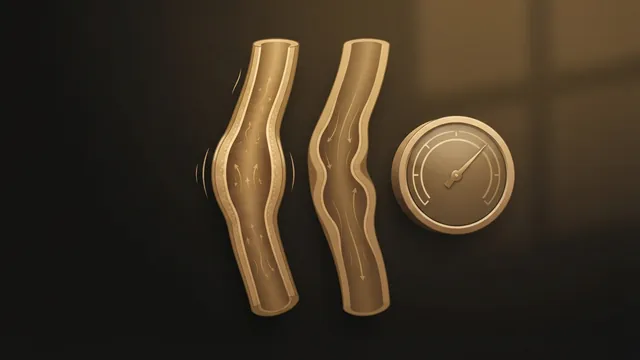
Vascular Compliance: How Blood Vessels Handle Pressure
Learn how vessel stretch affects pressure, blood flow, and vascular health.
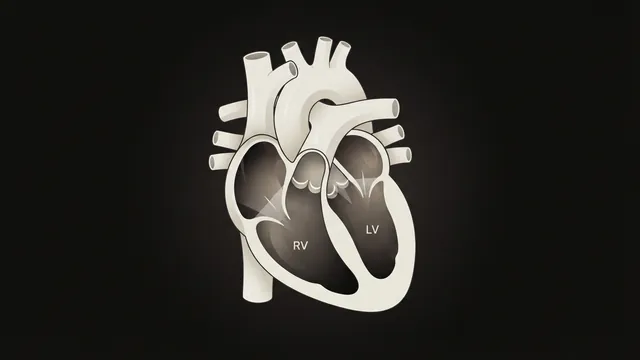
Ventricular Compliance: Heart Filling, Pressure, and Disease
Learn how ventricular compliance affects heart filling, pressure, and disease.