Trade Compliance: Import and Export Rules
Trade compliance keeps imports and exports within the law using checks, controls, and clean records.
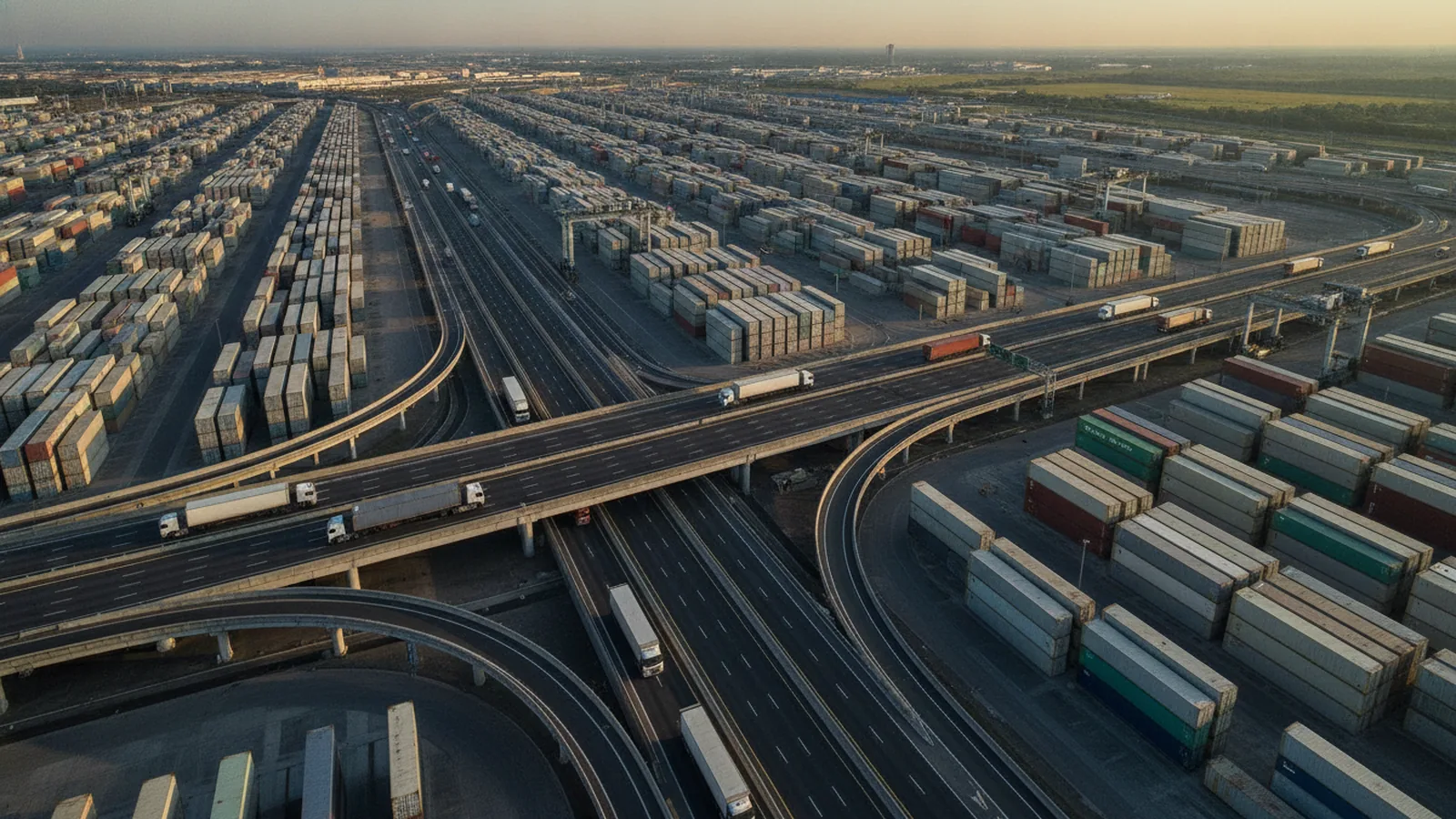
What trade compliance means in practice
What is trade compliance? It is a set of checks and records that helps you obey import and export rules.
This matters because governments enforce trade law at the border and during later audits. International trade compliance applies when goods cross borders.
Global trade compliance expands that duty across many markets. You must follow each country’s rules and each trade lane’s needs.
Trade compliance is not only about forms. It guides how you ship, who you ship to, and what you declare.
- Pre trade compliance checks happen before you ship.
- Post trade compliance checks happen after shipment.

Core components of trade compliance
Trade compliance needs correct data and steady steps. Most teams track four big areas: documents, codes, checks, and limits.
First, you need import-export documentation that matches the real shipment. Second, you must do tariff classification with care.
Tariff classification is the code that customs uses to set duty. It also affects what you must prove in case of review.
Here are the core parts teams manage in daily work.
- Import-export documentation: invoices, packing lists, and shipping papers.
- Tariff classification: picking the right code for your product.
- Customs rules: meeting data and value rules for declarations.
- Sanctions and embargoes: screening people, firms, and places.
- Export controls: following limits on items and end use.
- Trade agreements: using lower duty only when rules of origin fit.
These pieces connect tightly. One wrong code can mean underpaid duty and more checks later.
One missed screen can mean a blocked shipment or a failed clearance. A trade compliance analyst helps keep these links clean.
They also keep an audit trail so teams can show what they did and why.

Why trade compliance is hard to keep stable
Compliance work stays hard because rules change often. Lists update, guidance shifts, and new risk patterns emerge.
Teams also face heavy paper and many handoffs. Import-export documentation needs to be complete at the moment of filing.
If your product specs change late, your code and proof may need updates. That creates rush work and more chances for mistakes.
Supply chains add more moving parts. You may use new suppliers, new freight routes, and new buyers.
Common challenges include these themes.
- Rule changes: new list entries and new limits.
- Complex paperwork: more fields, more proof, and more timing.
- Partner gaps: buyers and carriers may share missing data.
- Code risk: similar items can map to different tariff codes.
- End use doubt: you may need more facts to apply export controls.
A trade compliance analyst translates rules into clear steps. They help teams decide fast without skipping key checks.

What happens when a company is not compliant
Non-compliance can cost more than money. It can also cause delays, legal risk, and long-term trust loss.
Financial penalties can include extra duty and fees. Interest can apply when you declare the wrong value or code.
In serious cases, regulators may add fines. Repeat issues can raise the size of those costs.
Next come business disruptions. A wrong form can stop a load at the border for days.
That can lead to extra yard fees and missed orders. It can also force costly rework by brokers.
Reputation damage often follows. Partners may pause deals when compliance risk rises.
Legal consequences can also apply to the firm and responsible people. The exact outcome depends on the country and the facts.
Tariff classification errors are a key risk. Correct tariff classification helps set duty rates and keeps customs rules satisfied.
If you miscode, you may face rechecks and higher scrutiny. The same error can repeat across many shipments.
Using technology to improve visibility and speed
Technology can support trade compliance by reducing manual errors. It also boosts supply chain transparency across teams.
Many firms use tools to store trade data in one place. They also use tools to track what was checked for each load.
AI can improve speed and visibility. For example, AI may spot mismatches between product data and past codes.
AI can also help with sanctions checks and document review. Still, humans must confirm results before filing.
A trade compliance analyst should validate key decisions with firm rules. Tools should help you see risk faster, not replace judgment.
Common tool benefits include these areas.
- Data capture: fewer missing fields in shipment files.
- Screening flow: consistent checks for sanctions and embargoes.
- Audit trail: clear logs of who approved and why.
- Post shipment support: records ready for later review.
When tools connect to product master data, pre work improves. Post work improves too, because you can find proof quickly.
Best practices to maintain trade compliance over time
Trade compliance is not a one-time fix. It is a system you run and update as the business changes.
Start by splitting the work into pre trade and post trade steps. Pre work checks orders, codes, and screens before shipment.
Post work keeps records and handles follow ups after shipping. This helps for audits and internal checks.
Build repeatable steps for documents and tariff classification. Use clear product data rules across sales, ops, and engineering.
You should also keep a library of code decisions. Each entry should include the product facts and the reason.
These practices reduce risk in real teams.
- Write work rules: define required fields and approvals.
- Use a code library: store evidence and past decisions.
- Run screening as a workflow: save results and owners.
- Do internal checks: sample shipments and test for errors.
- Train on change: refresh staff when rules update.
Continuous training and updates are essential. Sanctions and embargoes can change at any time.
Compliance teams need clear updates and simple guidance. They also need time to apply changes to live orders.
Finally, align duties across the firm. Procurement, sales, and logistics must all feed the same facts.
When teams share one source of truth, code errors drop. That helps both global trade compliance and day to day work.
Future trends in trade compliance
Trade compliance is moving toward more automation. Firms want faster checks and cleaner records for each load.
Supply chains will keep demanding more data. Buyers and regulators expect proof, not just claims.
AI use will grow, especially for document work and risk flags. It may suggest tariff codes and point out odd shipment patterns.
Even with AI, human review stays vital. Compliance needs traceable reasons and clear evidence.
Another trend is better link between trade deals and ops. Firms will push for proof of rules of origin.
That means tighter product data control. It also means better record plans for later checks.
Roles may also split into more focused jobs. A trade compliance analyst may focus on codes, while another handles licenses.
That specialization can help when rules grow more complex. Your roadmap should still focus on data quality, steps, and training.
Frequently asked questions
- What is trade compliance?
- Trade compliance is the system of rules, checks, and records that helps a business follow import and export laws. It covers customs rules, documentation, and controls that apply to each shipment.
- What does a trade compliance analyst do?
- A trade compliance analyst checks shipments for risks like correct tariff classification and sanctions exposure. They also log decisions and support audits for both pre and post shipment work.
- What is pre trade compliance?
- Pre trade compliance is what you do before goods ship. Teams screen parties, confirm product facts, check export control needs, and prepare the right papers.
- What is post trade compliance?
- Post trade compliance is recordkeeping and follow-up after shipment. It supports later checks, evidence keeping, and any required reporting.
- Why is tariff classification so important for compliance?
- Tariff classification sets duty rates and affects what customs expects in your file. A wrong code can trigger rework, penalties, and border delays.
- How can technology improve global trade compliance?
- Tools can store trade data, speed up screening, and create audit trails. AI can also flag mismatches, but a human review step is still needed.
Related reading

Murdaugh Law Firm: Its Status and Future
PMPED lives on as Parker Law Group, despite the damage caused by Alex Murdaugh's crimes.

Vascular Compliance: How Blood Vessels Handle Pressure
Learn how vessel stretch affects pressure, blood flow, and vascular health.

Ventricular Compliance: Heart Filling, Pressure, and Disease
Learn how ventricular compliance affects heart filling, pressure, and disease.